Environment Canada Activates Yellow Weather Alerts Across Multiple Provinces
Environment Canada has officially issued yellow weather warnings for several provinces across the nation, signaling potential hazards due to adverse climatic conditions. These alerts, which are part of the agency's standard protocol for public safety, come as freezing rain and other severe weather patterns are forecasted to impact various regions. The warnings underscore the ongoing environmental challenges faced by communities, particularly during transitional seasons when weather can be unpredictable and dangerous.
Scope and Impact of the Weather Warnings
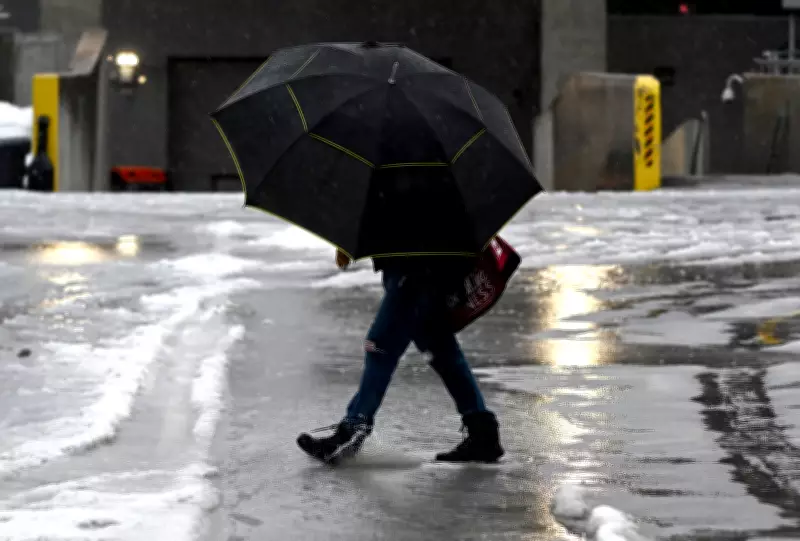
The yellow warnings cover a broad geographic area, including provinces such as Ontario and New Brunswick, where freezing rain is anticipated. In Ontario, for instance, pedestrians have already been observed navigating through puddles on roads as freezing rain falls, illustrating the immediate effects of these conditions. Similarly, New Brunswick is bracing for freezing rain expected on Saturday, which could lead to slippery surfaces and reduced visibility, posing risks to transportation and daily activities.
These warnings are not isolated incidents but reflect a larger trend of extreme weather events linked to climate change. Environment Canada's proactive measures aim to mitigate risks by informing residents and authorities about impending dangers. The agency emphasizes the importance of staying updated on weather forecasts and taking necessary precautions, such as avoiding non-essential travel during severe conditions.

Broader Environmental Context and Community Responses
Beyond the immediate weather alerts, this situation ties into broader environmental issues highlighted in recent news. For example, a new coalition has targeted $100 million for Canadian carbon removal projects by 2030, aiming to address climate change at its root. Additionally, conservation authorities are warning of potential flooding as spring-like weather approaches, indicating that weather extremes are becoming more frequent and impactful.
In related developments, communities are mobilizing to cope with environmental challenges. Jasper officials have updated housing efforts with federal and provincial funding aimed at permanent builds, showcasing how local initiatives are adapting to climate-related needs. Meanwhile, incidents like a fuel spill closing lanes on Highway 403 near Brantford remind us of the interconnectedness of weather and infrastructure safety.
Key Takeaways from the Warnings:- Yellow warnings indicate moderate risk, urging caution for outdoor activities.
- Freezing rain can create hazardous driving and walking conditions.
- Environment Canada recommends monitoring updates and preparing emergency kits.
- These events highlight the need for ongoing climate adaptation strategies.
As Canada continues to grapple with shifting weather patterns, the issuance of yellow warnings serves as a critical reminder of the importance of environmental vigilance. Residents are encouraged to heed these alerts and participate in community efforts to build resilience against future climatic uncertainties.