A drone pilot has been ordered to pay a $2,000 penalty after pleading guilty to illegally operating an unmanned aircraft in Banff National Park last year. Parks Canada announced the fine, emphasizing that the flight had "serious safety implications" as it occurred near an active helicopter conducting avalanche control operations.
The Incident at Lake Louise
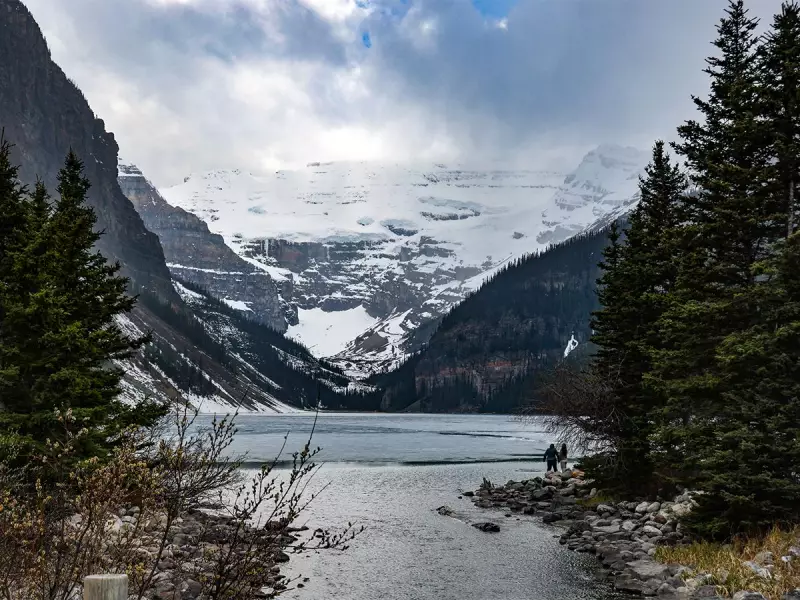
On January 17, 2025, park wardens in Banff received a report of a drone preparing for takeoff at the iconic Lake Louise. Officials immediately informed the operator that flying a drone within the national park is illegal. Despite clear "no drone" signage posted nearby, the individual proceeded to launch the device anyway, according to a Parks Canada social media post.
Wardens observed the pilot landing the drone along the lakeshore and subsequently seized the aircraft, its controller, and the storage card. The operator was charged with violating the National Parks of Canada Air Access Regulations. In Banff National Park, a specific order prohibits not just the take-off and landing of drones, but any operation of them without a restricted activity permit.

A Narrowly Avoided Catastrophe
The situation was far more dangerous than a simple rule violation. At approximately the same time, Parks Canada Visitor Safety was conducting critical air operations in the area for avalanche control. Within 30 minutes of the illegal drone flight, a contractor's helicopter with staff on board was operating in the same airspace.
After reviewing the seized drone's footage and GPS data, wardens confirmed a chilling fact: the drone's flight path overlapped with that of the helicopter. Parks Canada also revealed the operator flew the drone beyond their visual line of sight, lacked a Parks Canada permit, was not registered with Transport Canada, and did not hold the required Transport Canada pilot licences.
Why Drone Bans Exist in National Parks
"Drones can cause distress to wildlife in national parks, disturb visitors’ enjoyment and privacy, and pose serious risks to operational aircraft along with staff on board," stated Parks Canada in its warning to the public.
The agency explained that when an unauthorized drone is detected, all authorized aircraft in the area—including those used for rescue, research, or park management—must be grounded. This delays vital operations and can put people in need of emergency assistance at greater risk. "Collisions could result in catastrophic loss," Parks Canada warned.
The case serves as a stark reminder of the rules protecting Canada's cherished natural spaces. The unnamed operator's guilty plea and subsequent fine underscore the serious consequences of ignoring regulations designed for the safety of people, wildlife, and the integrity of the park experience.