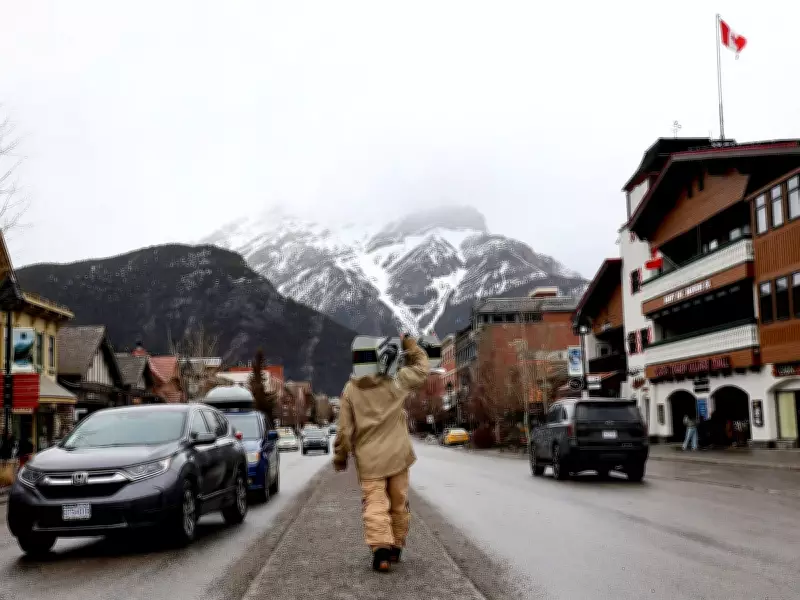
Banff National Park has reached a new milestone in visitor numbers, setting another record in 2025 that has intensified concerns about the environmental impact of human activity in Canada's iconic mountain landscape. The park's federal caretakers now face mounting pressure to balance public access with preservation efforts.
Record-Breaking Numbers and Growing Pressures
During the 2024-2025 period, Banff National Park welcomed 4.515 million visitors, surpassing the previous record of 4.28 million set in 2023-2024. This represents more than a 30 percent increase in visitation over the past decade, creating what park officials describe as "very uncertain times" for managing Canada's oldest and busiest national park.
Daniella Rubeling, acting superintendent for the Banff National Park field unit, noted the continuing trend: "We have a growing population in Calgary and surrounding area, so we do anticipate that visitation to continue to grow. Where we're seeing those increases is mostly in the day use."

Concentrated Impact on Fragile Areas
The visitation surge has created particular challenges because the vast majority of visitors concentrate on just three percent of the park's total area. Francois Masse, superintendent for the Lake Louise, Yoho and Kootenay field unit, identified these areas as "hot spots" that have reached capacity.
Key pressure points include:
- Lake Louise and Moraine Lake
- Bow and Peyto Lakes in Banff National Park
- Emerald Lake in Yoho National Park
Masse emphasized the need for action: "We know we've reached capacity in those places, we know we need to make some moves. How do we ensure we don't exceed that capacity?"
Management Strategies Under Consideration
Parks Canada is actively exploring measures to limit access to the busiest sections of the park. Management plans for the Lake Louise and Lake Minnewanka complexes are currently being developed with public input, though no final decisions have been made.
The visitation numbers reflect broader trends, including a four percent increase in vehicle traffic to Banff town compared to the previous summer, and slightly higher visitation numbers in November and December 2025 versus 2024.
Regional Visitors and Staff Challenges
Approximately 70 percent of visitors come from regional areas, and Rubeling noted that the Canada Strong Pass—which offered free access to the park for several months in 2025 and is being repeated in 2026—hasn't significantly increased crowds in Banff as it has in other national parks.
The increased visitation has also affected park staff. Rubeling explained: "Certainly the number of people they interact with on a daily basis has increased so that idea of getting talked-out or peopled-out is something our front-line staff deal with."
As visitation continues to grow, Parks Canada faces the complex challenge of maintaining public access to Banff's natural wonders while ensuring their preservation for future generations. The balancing act becomes increasingly difficult with each new record-setting year, requiring innovative solutions to protect both the visitor experience and the fragile mountain ecosystems that make Banff National Park a world-renowned destination.