National Park Service Reverses Decision on Brochures at Medgar Evers Monument Following Public Outcry
The National Park Service has returned brochures it reportedly pulled from a monument honoring civil rights activist Medgar Evers on Thursday, after facing massive backlash for removing the description of his assassin as a "racist." The brochures at the Medgar & Myrlie Evers Home National Monument in Jackson, Mississippi, had been set to be replaced with a new version that omitted this label, with officials citing them as "outdated." However, the swift public response prompted a reversal of this decision.
Controversy Over Historical Interpretation and Political Context
Park Service officials informed Mississippi Today that the original brochures describing Byron De La Beckwith, a Klu Klux Klan member who assassinated Evers in 1963, as "racist" were pulled and slated for revision. This move occurred amid President Donald Trump's anti-DEI (Diversity, Equity, and Inclusion) agenda, highlighted by an executive order last year that revoked former President Barack Obama's 2017 memorandum. Trump's "Restores Truth and Sanity to American History" order directs the Department of the Interior to ensure properties do not contain content that "inappropriately disparage Americans past or living." Officials defended the order, stating that claims of erasing history are inaccurate and that some materials may be edited for broader context.
Family Involvement and Ongoing Revisions
Keena Graham, the monument's superintendent, told the Mississippi Free Press that edits are planned in cooperation with the Evers family. The Park Service has agreements with the family and the Medgar & Myrlie Evers Institute to consult on interpretation and educational matters. Reena Evers-Everette, Evers' daughter and executive director of the institute, noted that "the final product has not been put out yet," indicating ongoing revisions to include more photographs, information, and correct hours of operation. This collaborative approach aims to balance historical accuracy with sensitivity.

Backlash from Officials, Historians, and Family Members
The decision to pull the brochures sparked significant backlash. Congressman Shri Thanedar criticized the move during Black History Month, accusing the White House of erasing Black history by removing references to racism. Historian Kevin Levin expressed dismay on social media, calling the removal "speechless" and highlighting the anticipated change in language. Martin Luther King III emphasized that the murder was an act of racial terror and that sanitizing history weakens understanding. Medgar Evers' niece, Wanda Evers, asserted that while brochures can be taken away, history itself cannot be erased.
Historical Significance and Broader Implications
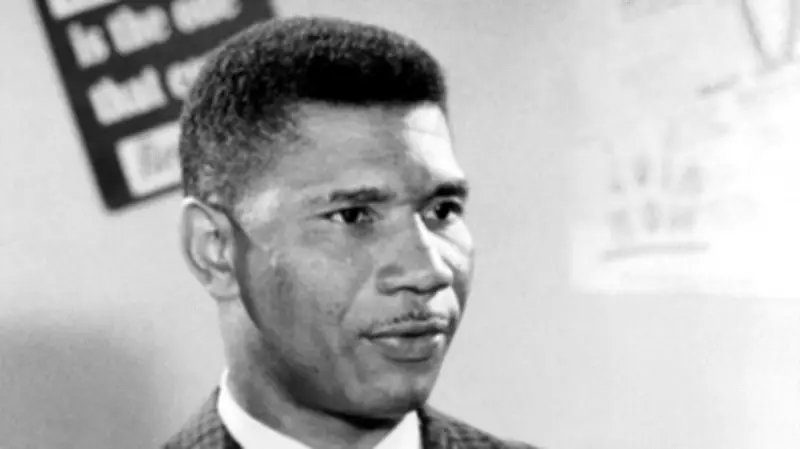
Medgar Evers, a World War II veteran who fought segregation in Mississippi, was assassinated by white supremacist Byron De La Beckwith in 1963. His history was previously removed from sections of the Arlington National Cemetery website last year, adding to concerns about historical erasure. The Park Service's initial action reflects broader tensions over how America's past, particularly regarding race and civil rights, is presented in public spaces. The reinstatement of the brochures underscores the power of public advocacy in preserving factual narratives.
As the Park Service works with the Evers family on revisions, this incident highlights the ongoing debate over historical interpretation, political influence on public monuments, and the importance of accurately depicting painful chapters in American history to foster a deeper collective understanding.