U.S. Coast Guard Intensifies Search for Missing Crew After Vessel Overturns in Typhoon-Stricken Waters
A critical search and rescue operation is currently being conducted by the U.S. Coast Guard for six crew members who went missing after their vessel overturned near the Northern Marianas during a severe typhoon. The incident, which has sparked a large-scale maritime response, occurred in the waters offshore Saipan, a region known for its challenging sea conditions.
Details of the Maritime Incident and Rescue Efforts
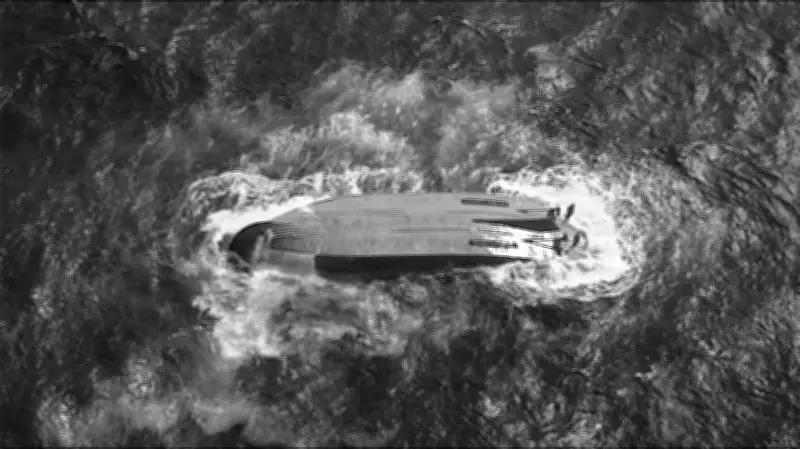
The vessel, identified as the Mariana, reportedly experienced a catastrophic engine failure on April 15, 2026, leaving it vulnerable to the powerful forces of an approaching typhoon. By Saturday, April 18, the situation had escalated dramatically when the ship was found overturned in the open ocean. In response, the U.S. Coast Guard immediately deployed an HC-130 Hercules airplane from Coast Guard Air Station Barbers Point to conduct aerial surveillance and search patterns over the affected area.
The search mission is focused on locating any survivors from the six-person crew, with teams scanning the turbulent waters for signs of life. The overturned hull of the Mariana presents a significant challenge to rescue operations, as it may be partially submerged or unstable in the rough seas caused by the typhoon. Coast Guard officials have emphasized that time is of the essence, given the harsh environmental conditions and the potential for hypothermia or injury among the missing individuals.

Environmental and Operational Challenges
The typhoon that struck the Northern Marianas region brought with it high winds, massive waves, and reduced visibility, all of which complicate the search efforts. Such extreme weather events are not uncommon in this part of the Pacific, but they pose severe risks to maritime safety, especially for vessels experiencing mechanical failures. The Coast Guard's HC-130 crew is trained to operate in these adverse conditions, utilizing advanced radar and visual techniques to cover vast stretches of ocean.
Additionally, the remote location of the incident, near Saipan in the Northern Marianas, means that rescue assets must travel considerable distances, potentially delaying response times. The Coast Guard is coordinating with local authorities and possibly international partners to ensure a comprehensive search grid is established. Updates on the operation are expected as the situation develops, with hopes pinned on finding the crew members alive and well.
Broader Implications for Maritime Safety
This tragic event underscores the ongoing dangers faced by seafarers in typhoon-prone areas, particularly when vessels encounter technical issues like engine failure. It highlights the importance of:
- Regular maintenance and safety checks for ships operating in hazardous waters.
- Enhanced weather monitoring and communication systems to warn vessels of impending storms.
- Robust emergency response protocols to swiftly address maritime disasters.
As the search continues, the maritime community and families of the missing crew await news with bated breath. The U.S. Coast Guard remains committed to exhausting all resources in this rescue mission, demonstrating their vital role in safeguarding lives at sea during natural disasters.