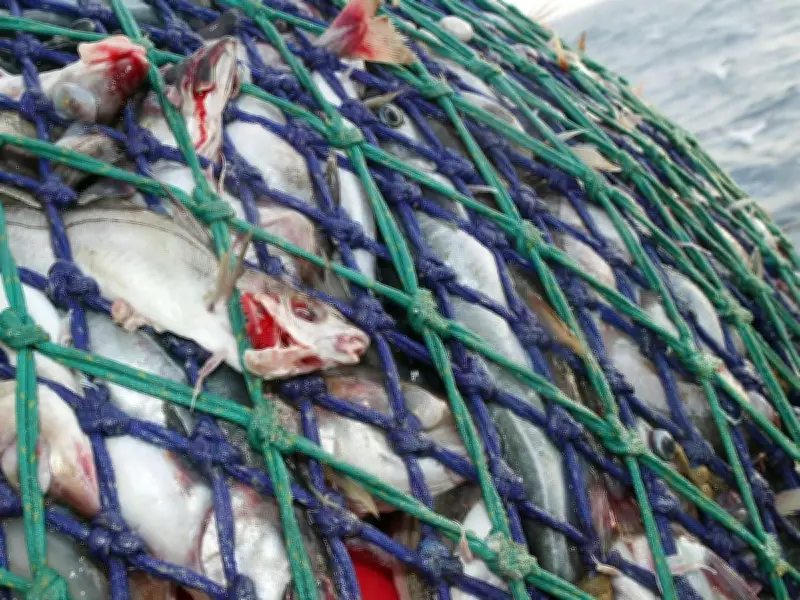
UBC Study Exposes Alarming Impact of Bottom Trawling on Endangered Marine Life
A groundbreaking study from the University of British Columbia has revealed that bottom trawling operations are capturing thousands of ocean species, including numerous critically endangered animals. The research, which represents the first global inventory of fish species caught in trawlers, documents the severe ecological consequences of this widespread fishing practice.
Comprehensive Inventory Reveals Disturbing Patterns
The peer-reviewed study, published in the journal Reviews in Fish Biologies and Fisheries, compiled data from 236 sources in the United Nations Food and Agriculture Organization's document repository. Researchers analyzed more than 9,000 records of fish caught in bottom trawlers spanning from 1895 to 2021, documenting nearly 3,000 different fish species in the process.
Among these documented species, researchers found that one in seven were listed as threatened or near threatened with extinction according to the International Union for Conservation of Nature's Red List. This includes critically endangered species such as the giant guitarfish, zebra shark, and at least three distinct sea horse species.

Research Origins and Surprising Gaps in Knowledge
Sarah Foster, senior researcher and program leader at UBC's Project Seahorse, initiated this inventory while gathering data for her work on sea horses. Her investigation soon expanded to broader questions about the diversity of species being caught in trawling operations.
"I was surprised to learn there wasn't an existing inventory," Foster explained. "This knowledge gap has contributed to significant misunderstandings about the true impact bottom trawling is having on ocean species worldwide."
Foster emphasized that bottom trawling—which involves dragging heavy nets across the ocean floor—represents one of the most destructive fishing practices currently employed. She argues that substantial overhaul is necessary both to conserve species for commercial use and to preserve the broader ocean ecosystem.
Documentation Challenges and Underreported Catches
The study uncovered significant problems with how catches are recorded and reported. Researchers found that smaller fish are frequently not documented at all or are grouped under vague categories such as "trash fish" or "mixed fish." This practice suggests the actual number of different species being caught is substantially higher than official records indicate.
"We found entire families of sharks and rays being caught in the nets, and many of those are threatened species," Foster reported. "The challenge is we need to know to what extent this catch is being documented so we can understand the real pressure these fisheries are putting on endangered species."
Foster noted that many of the so-called "trash fish" are actually juvenile specimens that should have been left to mature, representing both an ecological loss and a potential future commercial loss for fisheries.
Calls for Sustainable Fisheries Management
The UBC researchers stress that industry stakeholders must develop a better understanding of what they are catching if the world hopes to establish truly sustainable fisheries. Foster believes this approach aligns with both environmental and commercial interests.
"I think everyone agrees we need to manage our fisheries for sustainability," she stated. "That's true whether you're coming at it from an environmental perspective because you want healthy oceans, or from a purely commercial perspective if you want to have fish in the future."
The study's findings highlight the urgent need for improved monitoring, documentation, and regulation of bottom trawling practices. As marine ecosystems face increasing pressures from human activities, comprehensive data like that provided by this UBC inventory becomes essential for informed conservation decisions and sustainable resource management.