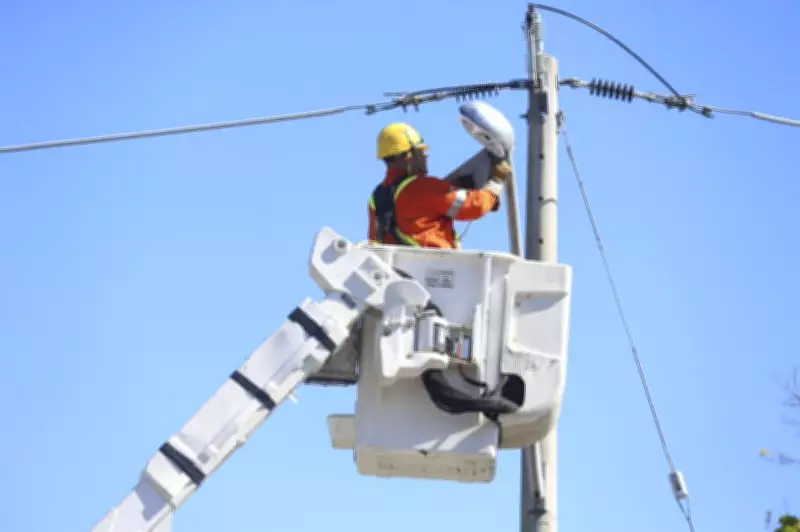
Toronto Unveils Major $577 Million LED Street Light Modernization Initiative
Toronto Hydro and the municipal government have jointly announced an ambitious $577 million plan to comprehensively upgrade the city's street lighting infrastructure. The initiative focuses on replacing all existing conventional street light fixtures with modern, energy-efficient LED equivalents, with work expected to peak in 2027 and 2028.
Addressing Aging Infrastructure and Safety Concerns
The project prioritizes neighborhoods identified as having the greatest infrastructure needs and highest safety risks. According to official documents, one-third of Toronto's street lighting assets are already past their useful life, with a staggering 86% of the underground infrastructure requiring replacement. This aging system has led to a reactive approach to outages rather than proactive, long-term solutions.
"Everyone deserves to feel safe in their neighbourhood, particularly at night," Mayor Olivia Chow emphasized in the announcement. "For too long, the city has taken a reactive approach to street lighting, addressing outages as they arise rather than investing in long-term solutions."

Technical Specifications and Energy Savings
Currently, Toronto's street lighting system consists of approximately 173,100 light units across nearly 57,000 poles, supported by almost 2,500 kilometers of overhead and underground cable. The majority of fixtures are outdated technologies:
- Roughly 110,000 cobrahead high-pressure sodium lights
- Approximately 33,500 acorn metal halide lights
- Nearly 16,000 existing LED lights using older technology
The conversion to modern LED technology is projected to reduce energy consumption by between 40% and 60%. Additionally, the new LED fixtures will incorporate smart controls that could potentially deliver another 20% in energy savings through optimized operation.
Financial Planning and Implementation Timeline
The $577 million funding was officially earmarked at the beginning of this year within the city's transportation services capital budget. According to a briefing note prepared by the office of the city's chief financial officer and dated January 9, cash flow will be highest during the first four years of the project to proactively address critical infrastructure requirements.
Toronto Hydro President Jana Mosley described the expenditure as "a smart and forward-looking investment in infrastructure that leaves Toronto in a stronger position environmentally and financially for decades to come, resulting in community improvements and energy savings all the way around."
Broader Implications and Future Benefits
The modernization initiative represents a significant shift in how Toronto approaches municipal infrastructure. By replacing obsolete lighting technology with energy-efficient LEDs equipped with smart controls, the city aims to:
- Substantially reduce energy consumption and associated costs
- Improve visibility and safety across streets, parks, and public spaces
- Minimize the risk of infrastructure failures through proactive replacement
- Position Toronto as a leader in sustainable urban infrastructure
The briefing note specifically warned that operating assets well beyond their useful life significantly increases failure risks, often forcing costly temporary fixes that don't address long-term reliability concerns. This comprehensive modernization plan seeks to eliminate those vulnerabilities while delivering substantial environmental and financial benefits for Toronto residents.