Windsor Expands Canada Goose Management Program with Relocation Strategy
The City of Windsor is taking proactive steps to address growing concerns about Canada geese populations in urban areas by expanding its wildlife management program. A key component of this initiative involves the strategic relocation of geese from densely populated zones to more suitable habitats.
Addressing Urban Wildlife Conflicts
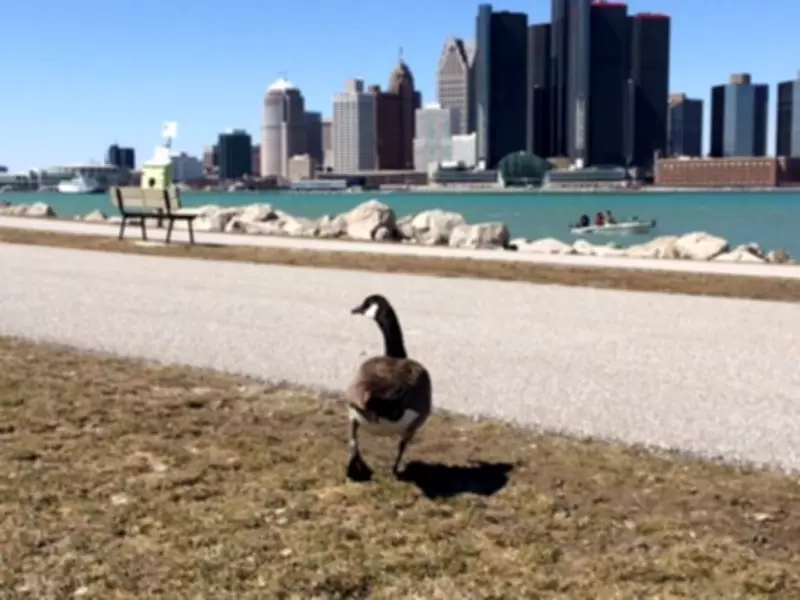
Canada geese have become a common sight along Windsor's riverfront, particularly near the Detroit River, where their presence has led to increasing conflicts with residents and businesses. The birds' droppings can damage property, contaminate water sources, and create unsanitary conditions in public spaces. Additionally, aggressive behavior during nesting season poses safety risks to pedestrians and pets.
The expanded management program aims to balance ecological preservation with urban livability. By relocating geese to designated natural areas outside the city core, Windsor hopes to reduce negative interactions while maintaining healthy wildlife populations. This approach aligns with best practices in urban wildlife management that prioritize humane and sustainable solutions.

Implementation and Community Impact
The relocation process will be conducted by trained professionals following strict animal welfare guidelines. Geese will be carefully captured during molting periods when they are flightless, minimizing stress and ensuring safe transport. Destination sites will provide adequate food sources, shelter, and protection from predators to support successful adaptation.
Community engagement is a crucial aspect of the program. Windsor officials plan to educate residents about coexistence strategies, such as:
- Avoiding feeding geese, which encourages overpopulation
- Using landscape modifications to deter nesting
- Reporting aggressive birds to appropriate authorities
The program expansion comes after years of monitoring goose populations and assessing their impact on local ecosystems. Data shows that unchecked growth can lead to overgrazing of vegetation, soil erosion, and competition with native species for resources.
Long-Term Environmental Goals
Beyond immediate conflict reduction, Windsor's management program supports broader environmental objectives. Healthy goose populations play important roles in seed dispersal and nutrient cycling, but excessive concentrations in urban areas disrupt these natural functions. By redistributing geese to balanced habitats, the city aims to:
- Protect waterfront ecosystems along the Detroit River
- Maintain biodiversity in urban green spaces
- Reduce water pollution from fecal contamination
- Promote sustainable coexistence between wildlife and residents
The initiative reflects a growing trend among municipalities to adopt integrated wildlife management strategies that address ecological, social, and economic factors. Windsor's approach may serve as a model for other cities grappling with similar challenges.