Ottawa Sees Sharp Rise in Illegal Dumping After Implementing Three-Item Garbage Limit
The city of Ottawa is grappling with a concerning surge in illegal dumping incidents following the recent introduction of a strict three-item garbage collection limit. Municipal officials report that complaints about unauthorized waste disposal have spiked dramatically since the policy took effect, highlighting unintended consequences of the new environmental measure.
Widespread Problem Across the City
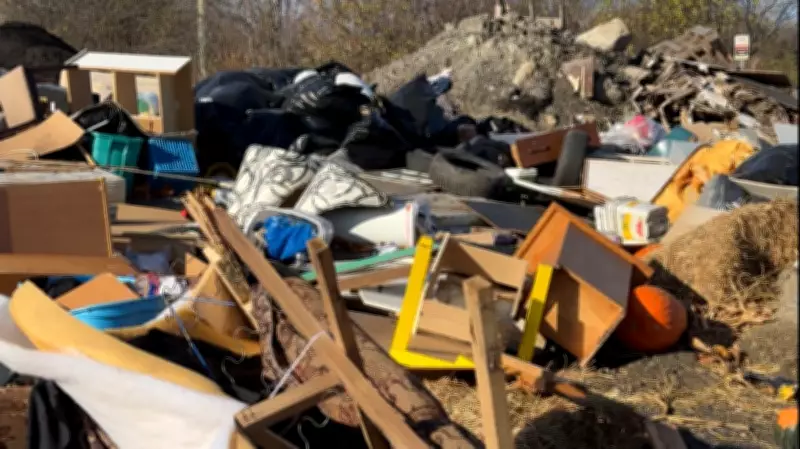
One particularly egregious example was discovered along Old Innes Road, where investigators found a massive pile of discarded items that included black trash bags filled with food waste, multiple tires, broken furniture, oil containers, and industrial materials such as asphalt. This site, documented in November 2024, represents just one of many illegal dumping locations that have emerged throughout Ottawa neighborhoods.
The three-item limit policy, designed to encourage recycling and reduce landfill waste, appears to have prompted some residents to resort to improper disposal methods rather than adjusting their waste management habits. Environmental enforcement teams have been responding to increasing numbers of reports about everything from household trash to construction debris being dumped in parks, alleyways, and rural areas.

Municipal Response and Challenges
City officials acknowledge the correlation between the new garbage restrictions and the rise in illegal dumping complaints. "While we anticipated some adjustment period," explained a waste management department spokesperson, "the scale of the increase in illegal dumping has been concerning. We're working to address this through both enforcement and education."
The situation presents significant challenges for Ottawa's environmental goals and municipal resources. Cleanup operations for illegal dumping sites are costly and time-consuming, diverting funds that could otherwise support recycling programs or other sustainability initiatives.
Broader Implications for Urban Waste Management
This development in Ottawa raises important questions about how cities can implement waste reduction policies without creating unintended negative consequences. The spike in illegal dumping suggests that some residents may not have adequate access to or awareness of proper disposal alternatives for items that exceed the three-item limit.
Environmental advocates emphasize that while waste reduction goals are crucial, they must be accompanied by comprehensive support systems including:
- Increased access to recycling and hazardous waste disposal facilities
- Clear communication about acceptable disposal methods
- Reasonable alternatives for large or unusual items
- Enhanced monitoring and enforcement of illegal dumping
The situation in Ottawa serves as a case study for other municipalities considering similar waste reduction measures. As cities across Canada and beyond implement increasingly strict environmental policies, finding the balance between regulation and practical implementation remains a critical challenge for urban planners and environmental officials.