Ottawa River Flooding: Water Levels Could Stabilize Today Amid Ongoing Crisis
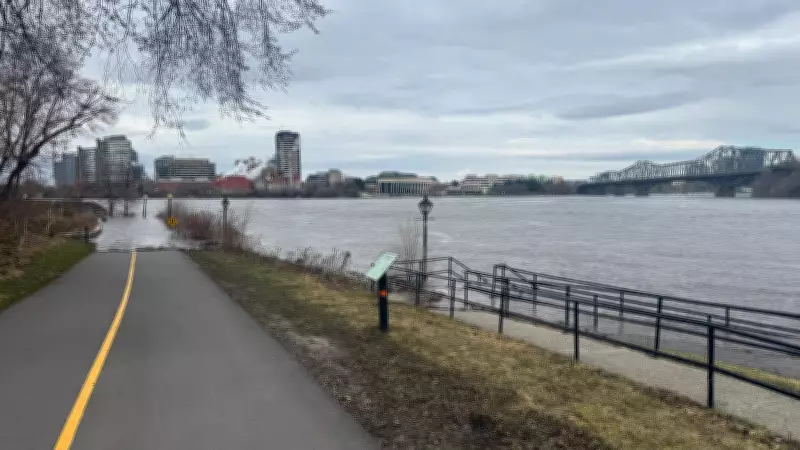
Water levels on the Ottawa River may begin to stabilize today, offering a glimmer of hope for residents in Ottawa and Gatineau who have been battling severe spring flooding. The situation remains critical, with communities on high alert as rising waters from western Quebec continue to threaten properties and infrastructure.
Latest Updates on Flooding in the National Capital Region
According to recent reports, the City of Gatineau has identified more than 160 buildings at significant risk of flooding. Residents in affected areas are working tirelessly to protect their homes, filling and deploying thousands of sandbags while utilizing sump pumps to mitigate potential damage. The proactive measures come as authorities monitor river levels closely, warning that conditions could change rapidly with additional rainfall or snowmelt.
Quebec Premier Assures Floods Remain Under Control

Despite the widespread impact across dozens of municipalities, Quebec's premier has stated that the spring floods are currently under control. However, emergency response teams remain on standby, ready to assist if the situation escalates. The Ottawa River Regulation Planning Board has indicated that water levels are dropping in some areas but remain dangerously high, necessitating continued vigilance.
Community Response and Preparedness Efforts
Local governments and volunteers have mobilized extensively to combat the flooding. In Minden Hills, more than 25,000 sandbags have been filled and distributed to residents, showcasing a robust community effort to safeguard neighborhoods. Officials are urging people to avoid recreational activities on lakes and rivers, emphasizing that this is not a time for boating or other water-based pursuits due to safety concerns.
"This is a critical period where everyone needs to stay informed and take necessary precautions," said a local mayor, highlighting the importance of heeding evacuation orders and flood warnings. The collaboration between municipalities, first responders, and residents has been pivotal in managing the crisis thus far.
Broader Environmental and Weather Context
The flooding coincides with a shift in weather patterns, as regions experience a transition from wind chills to milder temperatures around 20 degrees Celsius. This warmer stretch could influence snowmelt rates, potentially affecting river levels in the coming days. Environmental experts note that such spring floods are becoming more frequent and intense due to climate change, underscoring the need for long-term adaptation strategies.
As the situation evolves, authorities will continue to provide updates on water levels and safety advisories. Residents are encouraged to monitor official channels for the latest information and to report any emergencies immediately. The stabilization of water levels today would mark a positive step, but the threat of flooding persists, requiring ongoing preparedness and resilience from all affected communities.