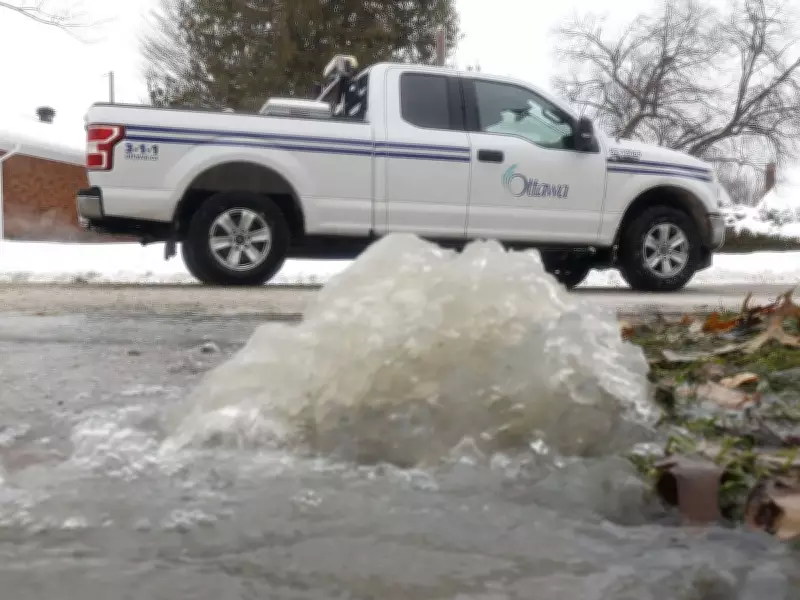
Ottawa city council has voted to explore ways to better inform residents when an unexpected water main break occurs, following complaints that communication has been inconsistent and often inadequate.
Motion aims to improve communication
Orleans West-Innes Coun. Laura Dudas introduced the motion after experiencing several water main breaks in her ward over the past few years. She noted that communication during these events was often ad hoc, ranging from good to poor or even non-existent. Her office frequently had to seek basic details about the situation, and some residents resorted to talking directly to repair workers to find out what was happening.
In the short term, city staff will work to improve communications, develop a toolkit for councillors to share information with residents, and review existing internal notification processes to identify areas for improvement. Staff are expected to report back by the end of the first quarter of 2027 on medium- to long-term plans, including possible platforms or notification systems to help the public access information.

Broader context of aging infrastructure
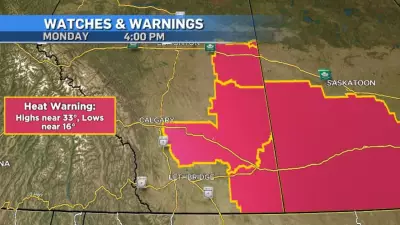
Unplanned water main breaks have caused significant inconvenience in cities across Canada. In June 2024, a break in Calgary led to a state of emergency and water restrictions. In Ottawa, the city received 32 service requests for water main leaks and breaks in late December and early January. A serious break in January snarled traffic on Baseline Road. A June 2025 report projected a $10.8-billion gap between infrastructure needs and funding over the next decade, driven by aging assets, climate change, rising costs, and limited revenue.
River Ward Coun. Brockington reported at least two dozen unscheduled water main breaks per year in his ward, mostly in winter. He noted that while residents can plan for scheduled breaks, unscheduled ones create communication challenges. Even he has had to call 3-1-1 to report a breach, only to find that the agent had no information. He relies on email notifications to share updates on social media, but questions how the public can get accurate information otherwise.
Challenges in real-time detection
Tammy Rose, the city’s general manager of infrastructure and water services, explained that there are no sensors in the distribution network to detect breaks in real time. The city learns of breaks when someone calls 3-1-1 to report water on the road. Dispatch then confirms the break and identifies affected residents, which takes time. Internal communications are robust, but part of Dudas’ motion is to explore expanding information sharing through ottawa.ca and city social media channels.