Saint John Takes Proactive Measures to Bolster Water Resources Ahead of Summer
The City of Saint John, New Brunswick, is taking decisive action to safeguard its water supply in anticipation of increasingly frequent and severe drought conditions. Municipal authorities have initiated a strategic dredging operation at the Ghost River Lake Reservoir, a critical component of the region's water infrastructure. This project aims to increase the reservoir's storage capacity, ensuring a reliable water source for residents and businesses during the upcoming summer months, which forecasters predict will be exceptionally hot and dry.
Addressing Climate Challenges Through Infrastructure Investment
This proactive initiative reflects a growing recognition among municipal leaders of the need to adapt local infrastructure to the realities of climate change. By deepening the reservoir through dredging, Saint John is effectively creating a larger buffer against potential water shortages. The work involves removing accumulated sediment and debris, which over time can reduce a reservoir's holding volume. This enhancement is not merely a reactive measure but part of a broader, forward-looking strategy to build resilience within the city's essential services.
The timing of this project is crucial, as many climate models indicate that Atlantic Canada may experience more intense and prolonged periods of low precipitation in the coming years. Municipal officials have emphasized that securing water resources is a top priority for community health, economic stability, and environmental sustainability. The dredging operation represents a tangible investment in the city's future, designed to mitigate the impacts of extreme weather events before they escalate into crises.

Community and Environmental Considerations
While the primary goal is to ensure water security, the project also incorporates considerations for local ecosystems and community engagement. Authorities are coordinating with environmental experts to minimize disruption to aquatic habitats during the dredging process. Furthermore, the city has communicated its plans to residents, highlighting the long-term benefits of a robust and dependable water system. This transparency helps build public trust and underscores the importance of collective preparedness in the face of environmental uncertainties.
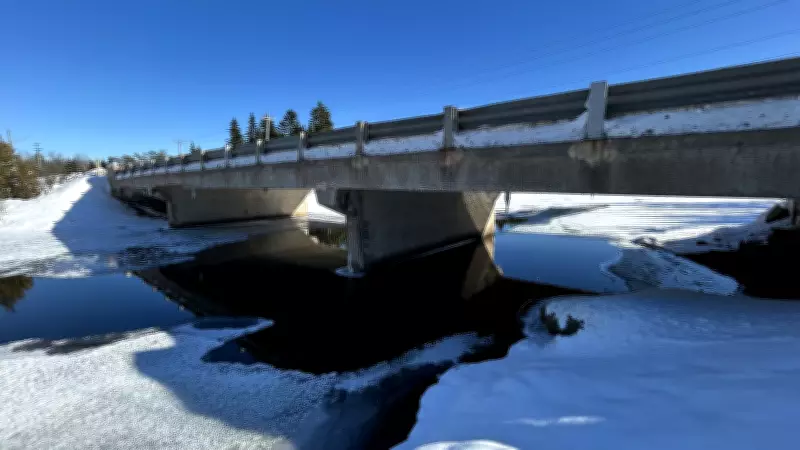
The reopening of the Ghost River Lake Reservoir bridge, managed by the RCMP, is a related development that facilitates access for both the dredging crews and the public. This infrastructure improvement complements the broader effort to maintain and enhance the region's water management capabilities. As Saint John moves forward with this initiative, it sets a precedent for other municipalities across Canada that are grappling with similar climate-related challenges to their water resources.