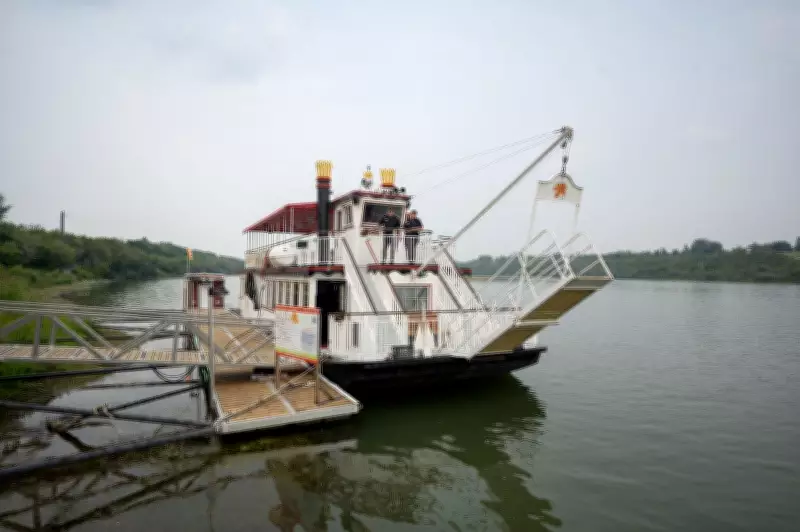
The Prairie Lilly, a popular riverboat in Saskatoon, has suspended its trips this season due to unusually low water levels in the South Saskatchewan River. The boat's new owners are demanding explanations from local authorities about the situation, which has left the vessel docked and unable to operate.
Background of the Issue
Mike and Joan Steckhan, the former owners of the Prairie Lilly, previously faced similar challenges when they operated the boat. Now under new ownership, the vessel remains docked for the second consecutive year. The low river levels have prevented the boat from navigating safely, leading to the suspension of all scheduled excursions.
Impact on Business and Tourism
The suspension has disappointed tourists and locals alike, who had hoped to enjoy river cruises this summer. The Prairie Lilly is a key attraction in Saskatoon, offering scenic views and special events. The prolonged downtime raises concerns about the economic impact on the tourism sector and the boat's viability.

Calls for Answers
The new owners are seeking clarification from government agencies and water management authorities. They question whether upstream dams, drought conditions, or other factors are responsible for the persistently low water levels. Without answers, the future of the riverboat remains uncertain.
Environmental Context
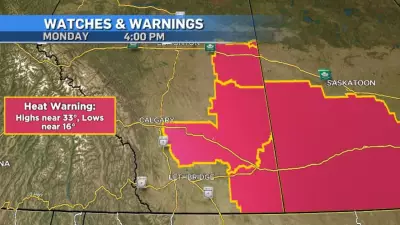
Southern Saskatchewan has recently experienced record-breaking heat, which may have exacerbated the low water levels. Climate change and water usage patterns are also being scrutinized as potential contributors. Environmental groups have called for sustainable water management to protect both recreational activities and ecosystems.
Community Response
Local residents have expressed sympathy for the owners and frustration over the lack of solutions. Some have suggested alternative uses for the boat while it is docked, such as a floating restaurant or event space, but no concrete plans have been announced.
The situation highlights broader challenges facing river-based tourism in the region. As climate patterns shift, similar disruptions may become more frequent, requiring adaptive strategies from businesses and policymakers.