World Bank Announces Comprehensive Water Security Plan for One Billion People
The World Bank has unveiled a sweeping new strategy aimed at bolstering water security for approximately one billion individuals worldwide. This ambitious initiative, announced on April 15, 2026, seeks to address the escalating global water crisis by implementing sustainable solutions and enhancing access to clean water resources.
Addressing Critical Global Water Shortages
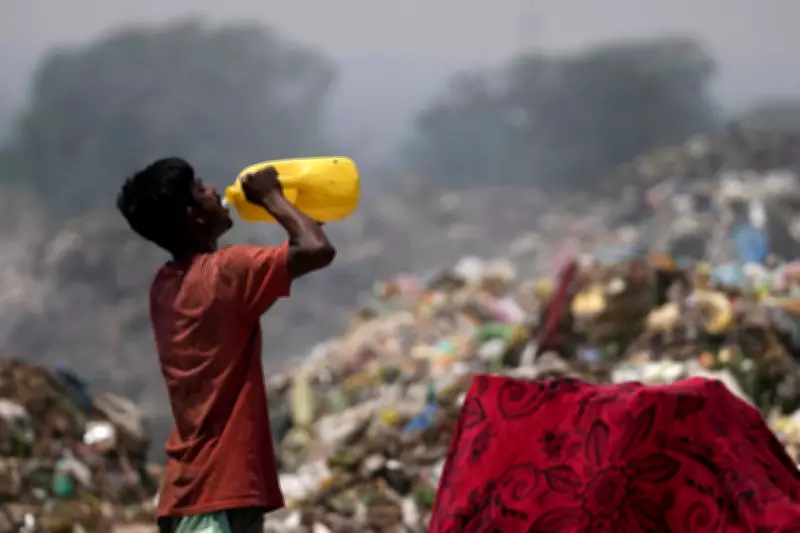
The plan is a direct response to the growing water scarcity affecting numerous regions, particularly in developing nations. With climate change exacerbating droughts and pollution compromising water quality, the World Bank's strategy focuses on long-term resilience and infrastructure development. The organization emphasizes that securing water access is fundamental to economic stability, public health, and environmental sustainability.
Key Components of the Initiative
The water security blueprint includes several core elements designed to achieve its goal. Infrastructure investments will target the construction and renovation of water supply systems, including pipelines, treatment plants, and storage facilities. Policy reforms will encourage efficient water management practices and governance improvements in participating countries. Additionally, the plan incorporates technological innovations such as smart monitoring systems and drought-resistant agricultural techniques to optimize water usage.

Community engagement is also a priority, with programs aimed at educating local populations about water conservation and hygiene. The World Bank intends to collaborate with governments, non-governmental organizations, and private sector partners to ensure the plan's successful implementation across diverse geographic and socio-economic contexts.
Global Impact and Future Projections
By targeting one billion people, this initiative represents one of the largest concerted efforts to combat water insecurity in recent history. Experts predict that improved water access could lead to significant benefits, including reduced poverty rates, enhanced food security, and decreased incidence of waterborne diseases. The World Bank estimates that the plan will require substantial funding, which will be mobilized through international grants, loans, and public-private partnerships.
As global populations continue to grow and climate-related challenges intensify, the success of this water security plan could serve as a model for future environmental and humanitarian interventions. The World Bank has committed to regular progress assessments and transparency in reporting outcomes to stakeholders and the public.