Aquarium Alliance Forms Plan for Beluga Whale Conservation
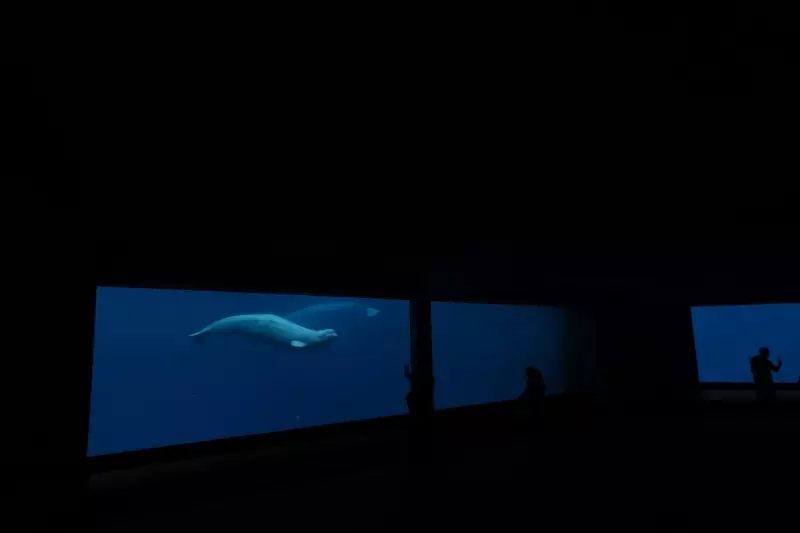
In a significant development for marine mammal welfare, a coalition of leading North American aquariums has announced it is formulating a comprehensive strategy to secure a sustainable future for the beluga whale population residing at Marineland amusement park in Niagara Falls, Ontario. This collaborative effort represents a proactive approach to addressing the long-term care needs of these intelligent cetaceans.
A Coordinated Response to Animal Stewardship
The participating institutions, which include several accredited facilities across the continent, are pooling their expertise in marine biology, veterinary medicine, and habitat management. Their primary objective is to establish a viable pathway for the belugas' ongoing health, social well-being, and potential role in conservation education. This initiative underscores a growing commitment within the aquarium community to collective responsibility for animals in human care, particularly in complex situations.
The focus is not on immediate relocation, but rather on creating a detailed, science-based framework. This framework will consider the whales' age, health status, social bonds, and specific behavioral needs. Experts emphasize that such transitions, if deemed necessary, require meticulous planning to minimize stress and ensure the animals' welfare remains the paramount concern throughout any process.

Context and Considerations in Niagara Falls
Marineland, a major tourist attraction in Niagara Falls, has housed beluga whales for decades, making them a familiar sight for visitors. However, the park has faced public scrutiny and regulatory attention regarding its animal care standards in recent years. The formation of this aquarium-led plan appears to be a direct response to these ongoing discussions about the future of the animals.
The collaboration signals a shift towards industry-led solutions. By working together, these aquariums aim to apply best practices in marine mammal management, potentially setting a precedent for how similar situations are handled across North America. The plan is expected to involve habitat assessments, veterinary reviews, and discussions about the educational and conservation value the belugas could provide in alternative, accredited settings.
While no specific timeline has been publicly released, sources indicate the planning phase is actively underway. The involved parties are committed to a transparent process, with updates likely to follow as concrete steps are finalized. This effort highlights the evolving role of modern aquariums, which increasingly balance public display with active participation in species conservation and advocacy for high standards of animal welfare.