Australia Announces Dingo Cull After Pack Circles Body of Canadian Woman on Beach
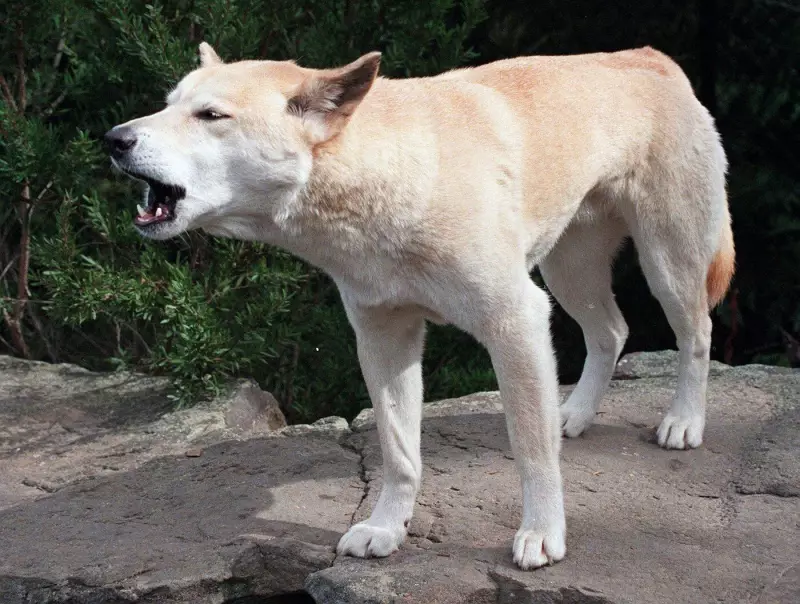
Australian authorities have announced a targeted cull of dingoes following a tragic incident involving a Canadian woman whose body was discovered surrounded by a pack of the wild dogs on a beach. The decision comes after a coroner's report detailed the circumstances of the death of Piper James, a Canadian national, whose case has raised significant concerns about wildlife management and public safety in coastal areas.
Coroner's Findings on the Tragic Incident
The coroner's report, released recently, concluded that Piper James likely died from drowning. Her body was found on an Australian beach encircled by a group of dingoes, which are wild canine species native to the country. While the report indicates drowning as the primary cause of death, the presence of the dingoes at the scene has prompted immediate action from local wildlife officials.
This incident has sparked a broader discussion about human-wildlife interactions in Australia, particularly in regions where dingo populations overlap with tourist activities. Dingoes, though often shy, can pose risks in certain situations, and this event has highlighted the need for proactive measures to prevent similar occurrences.

Australian Response and Cull Details
In response to the findings, Australian authorities have authorized a controlled cull of dingoes in the area where the incident occurred. The cull aims to reduce the local dingo population to mitigate potential threats to public safety. Officials emphasize that this is a targeted approach, focusing on specific packs known to frequent beaches and other areas with high human activity.
The decision has been met with mixed reactions, with some conservation groups expressing concern over the impact on dingo populations, while others support the move as necessary for protecting visitors and residents. Australian wildlife experts note that dingoes are an integral part of the ecosystem, but management strategies are essential to balance conservation with safety.
Broader Implications for Tourism and Safety
This event underscores the challenges faced by countries like Australia in managing wildlife in tourist-heavy zones. Canada, as a source of many tourists to Australia, may see increased travel advisories or warnings regarding interactions with native animals. The case of Piper James serves as a somber reminder of the unpredictable nature of wildlife encounters, even in seemingly safe environments.
Authorities are also reviewing safety protocols and signage in coastal areas to better inform the public about risks. Enhanced monitoring and public education campaigns are likely to be implemented to prevent future incidents, ensuring that both locals and tourists can enjoy Australia's natural beauty without undue hazard.
As the cull proceeds, ongoing assessments will determine its effectiveness in reducing dingo-related risks, with potential adjustments based on ecological and safety outcomes. This incident highlights the delicate balance between preserving wildlife and ensuring human safety in shared spaces.