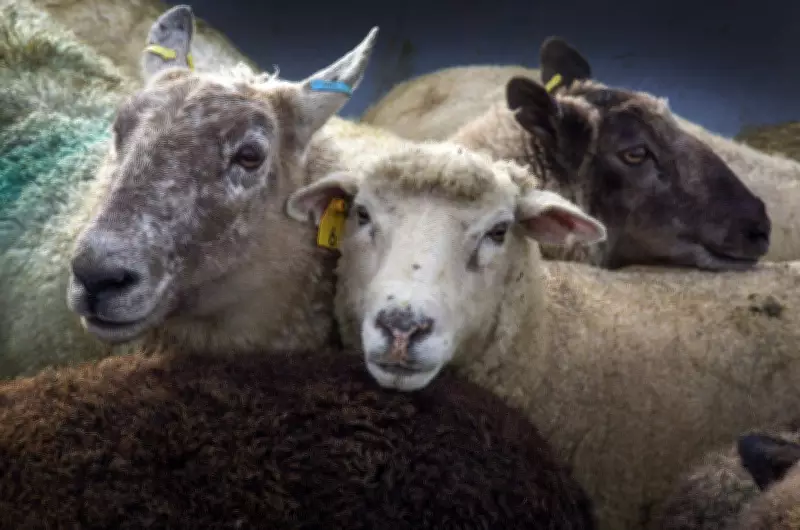
The government of British Columbia has announced a new policy that will allow the killing of abandoned domestic sheep in order to protect wild sheep populations. This measure aims to prevent the transmission of diseases and reduce competition for food and habitat between domestic and wild sheep.
Policy Details
Under the new regulations, landowners and wildlife officials will be permitted to euthanize domestic sheep that have been abandoned and are found in areas where they could interact with wild sheep. The policy is designed to address growing concerns about the impact of feral domestic sheep on native species, particularly bighorn sheep and thinhorn sheep.
Rationale Behind the Decision
Domestic sheep can carry pathogens such as Mycoplasma ovipneumoniae, which causes pneumonia in wild sheep and has led to significant die-offs in some populations. Additionally, abandoned sheep compete with wild sheep for limited forage and water resources, especially in arid regions. The policy is part of a broader strategy to conserve wild sheep and maintain ecological balance.

Implementation and Oversight
The killing of abandoned domestic sheep will be carried out by trained professionals to ensure it is done humanely. The province will also work with ranchers to prevent abandonment through education and support programs. Wildlife officials will monitor the situation closely and adjust the policy as needed.
This decision has sparked debate among animal welfare advocates and ranchers. Some argue that more should be done to prevent abandonment in the first place, while others support the measure as a necessary tool for wildlife conservation.