Colombia Authorizes Culling of Hippos Descended from Pablo Escobar's Private Zoo
In a significant move to address a growing ecological crisis, the Colombian government has approved a plan to cull hippopotamuses that originated from the private collection of the late drug kingpin Pablo Escobar. The decision, announced in April 2026, targets a population of hippos that has expanded uncontrollably in the country's waterways, posing severe threats to local ecosystems and human safety.
The Origins of Colombia's Hippo Population
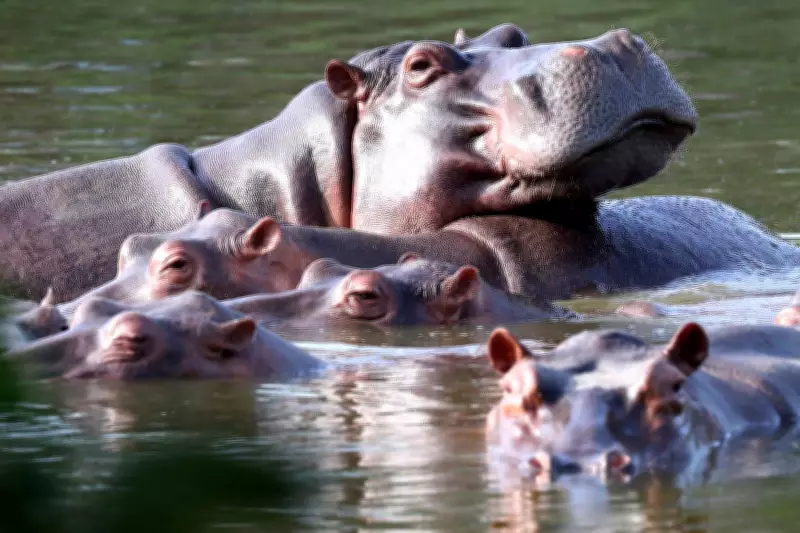
The story begins decades ago when Pablo Escobar, the infamous leader of the Medellín Cartel, imported four hippos—three females and one male—to his private estate, Hacienda Napoles Park, in Puerto Triunfo. After Escobar's death in 1993, the animals were left to roam freely, and their numbers have since skyrocketed due to the absence of natural predators and favorable environmental conditions. Today, estimates suggest the population has grown to over a hundred individuals, far beyond initial projections.
Environmental and Safety Concerns
Authorities cite multiple reasons for the culling plan. The hippos, native to Africa, have disrupted local biodiversity by outcompeting native species for resources and altering aquatic habitats. Their presence has led to increased conflicts with humans, including attacks on fishermen and damage to crops. Additionally, the hippos' waste contributes to water pollution, affecting water quality in regions like the Magdalena River basin.

Plan Details and Implementation
The approved plan involves a controlled culling operation, to be carried out by trained wildlife experts in collaboration with environmental agencies. It includes:
- Assessing the hippo population through aerial and ground surveys.
- Prioritizing culling in areas with high human-wildlife conflict.
- Implementing measures to minimize suffering during the process.
- Monitoring the impact on ecosystems post-culling.
This approach mirrors strategies used in other countries to manage invasive species, though it has sparked debate among animal rights groups and local communities.
Public Reaction and Ethical Debates
The announcement has ignited mixed reactions. Conservationists support the move as necessary to protect Colombia's native flora and fauna, while animal welfare organizations argue for non-lethal solutions. Some residents near affected areas express relief, citing past incidents, whereas others view the hippos as a quirky legacy of Escobar's era that should be preserved.
As Colombia moves forward with this plan, it highlights the complex challenges of managing invasive species in a globalized world. The outcome will be closely watched by environmentalists worldwide, serving as a case study in wildlife management and ethical decision-making.