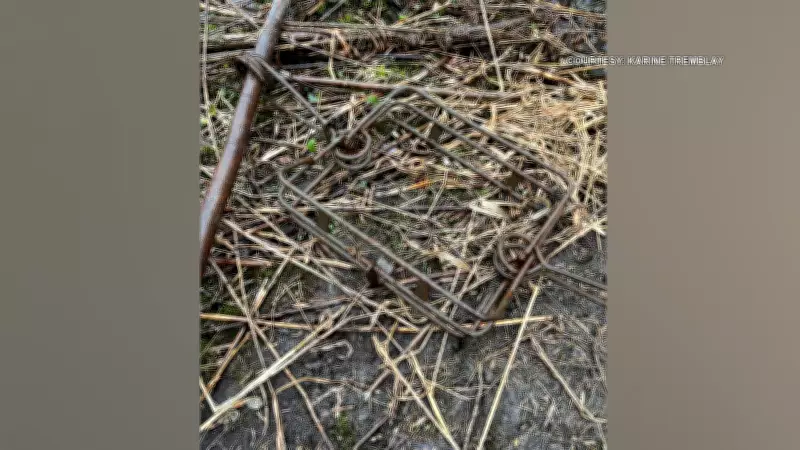
Greely Residents Outraged Over Lethal Beaver Trapping Incident
Residents of Greely, Ontario are voicing strong opposition and outrage following the deployment of lethal beaver traps to address a dam on Reindeer Drive. The controversial decision has ignited a heated community response, with many locals condemning the use of such extreme measures for wildlife management.
Community Backlash and Concerns
The lethal trapping initiative has sparked significant backlash among Greely residents, who argue that non-lethal alternatives should have been prioritized. Many community members have expressed deep concern over the ethical implications of killing beavers, which are native to the area and play a crucial role in local ecosystems. The incident has raised broader questions about humane wildlife control practices and the need for more compassionate approaches to animal management.
Details of the Trapping Incident
According to reports, the lethal traps were implemented specifically to manage a beaver dam located on Reindeer Drive. This action was taken without prior extensive community consultation, which has further fueled resident frustration. The beaver dam, while potentially causing minor inconveniences, is now at the center of a growing controversy that highlights the tension between urban development and wildlife preservation.

Broader Implications for Wildlife Management
The Greely incident underscores ongoing debates about appropriate wildlife management strategies in suburban and rural areas. Experts emphasize that beavers are keystone species whose activities can benefit wetland ecosystems, though they sometimes conflict with human infrastructure. This case has prompted calls for:
- Increased transparency in wildlife management decisions
- Greater community involvement in planning processes
- Exploration of non-lethal deterrents and relocation options
- Enhanced public education about coexisting with local wildlife
As the community grapples with the aftermath of this controversial decision, many residents are advocating for policy changes that would prevent similar lethal interventions in the future. The incident serves as a stark reminder of the complex relationship between human communities and the natural world, and the importance of finding balanced solutions that respect both ecological and community needs.