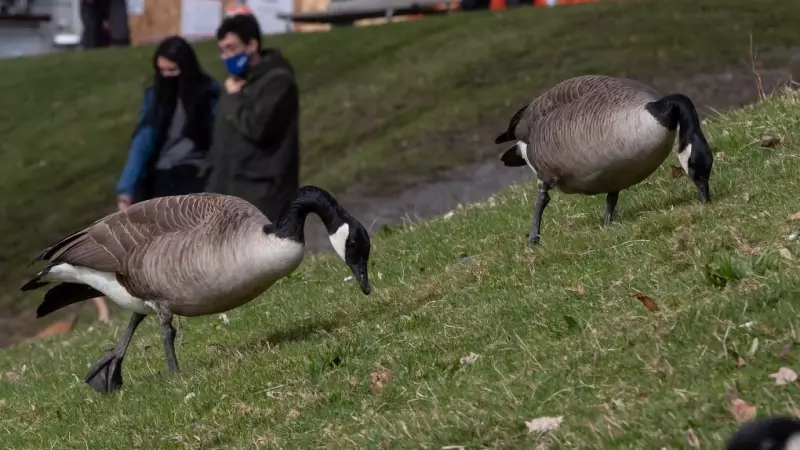
Effective Strategies to Deter Canada Geese from Nesting on Your Property
Canada geese are a familiar sight across many Canadian landscapes, from urban parks to rural fields. While these birds are a cherished part of our natural heritage, they can become a significant nuisance when they choose to nest on private or commercial properties. Their nesting habits often lead to property damage, aggressive behavior during breeding season, and unsanitary conditions due to droppings. For property owners seeking humane and effective solutions, understanding how to prevent geese from settling is crucial.
Understanding Canada Geese Behavior
To effectively deter Canada geese, it is essential to comprehend their nesting preferences and seasonal patterns. These birds typically seek out locations that offer safety, proximity to water, and ample food sources. They favor open areas with short grass, which provides clear sightlines to spot predators. Nesting season generally begins in early spring, with geese returning to the same sites year after year if conditions remain favorable. Recognizing these patterns allows property managers to implement preventive measures before geese become established.
Humane Deterrent Techniques
There are several humane methods to discourage geese from nesting on your property. These approaches focus on making the environment less attractive without harming the birds. One effective strategy is habitat modification. Allowing grass to grow longer, planting native shrubs, or installing physical barriers like fencing can reduce the appeal of open spaces. Additionally, using visual deterrents such as reflective tape, scarecrows, or predator decoys can create an unsettling environment for geese. Auditory repellents, including noise-making devices or recordings of distress calls, may also be employed, though their effectiveness can vary and may require rotation to prevent habituation.

Legal and Ethical Considerations
In Canada, Canada geese are protected under the Migratory Birds Convention Act, which regulates activities that could harm them or their nests. It is illegal to disturb active nests, eggs, or goslings without proper permits. Therefore, preventive actions should be taken before nesting begins. Property owners are encouraged to consult with local wildlife authorities or licensed professionals to ensure compliance with regulations. Ethical considerations also emphasize using non-lethal methods that prioritize the well-being of the geese while addressing human concerns.
Long-Term Management Solutions
For persistent issues, integrating multiple deterrent strategies often yields the best results. Combining habitat changes with consistent harassment techniques can signal to geese that the area is unsuitable for nesting. Some property owners have found success with trained dogs that patrol the grounds, as geese perceive them as threats. Regular monitoring and early intervention are key to preventing geese from becoming habituated to deterrents. Community-wide efforts, such as coordinating with neighbors to manage shared spaces, can also enhance effectiveness by reducing alternative nesting sites nearby.
By adopting these proactive measures, property owners can mitigate conflicts with Canada geese while respecting wildlife protections. With careful planning and humane practices, it is possible to maintain a balance between enjoying these iconic birds and preserving the integrity of your property.