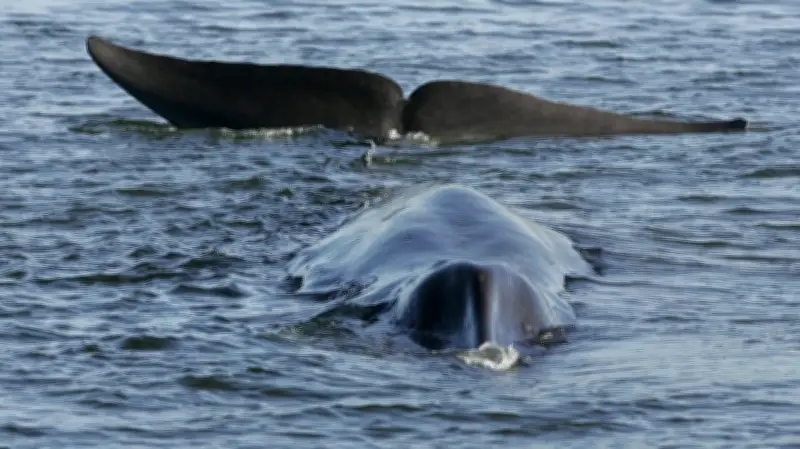
Iceland has killed its first whales since 2023, resuming commercial whaling after a two-year hiatus, according to an AFP report published on June 22, 2026. The hunt marks a controversial return to the practice that had been paused due to animal welfare concerns and declining demand.
Details of the Hunt
The fin whale, a species classified as vulnerable by the International Union for Conservation of Nature, was harpooned off Iceland's coast. The country's only remaining whaling company, Hvalur hf., received a license to hunt up to 209 fin whales in the 2026 season, though no quota was set for the smaller minke whales.
Icelandic whaling had been suspended since 2023 after a government-commissioned report found that hunting methods failed to meet animal welfare standards. The report documented instances where whales took up to two hours to die after being struck by harpoons.

Regulatory and Political Context
In 2024, Iceland's government introduced stricter regulations requiring whalers to use more humane killing methods, including electric stunning before harpooning. However, conservation groups argue that no commercial whaling can be truly humane given the size and complexity of the animals.
Iceland, along with Norway and Japan, is one of only three countries that still permit commercial whaling despite a 1986 international moratorium. Iceland's whaling industry is heavily subsidized by the state, with annual support estimated at around $10 million.
International Reaction
"This is a tragic step backwards for whale conservation," said a spokesperson for the International Fund for Animal Welfare (IFAW). "Iceland's decision to resume whaling flies in the face of global public opinion and the economic reality that whale watching is far more valuable than killing these animals."
Environmental groups have urged tourists to boycott Iceland in protest, noting that whale-watching tourism generates significantly more revenue than whaling. According to a 2023 study, whale watching contributes over $40 million annually to Iceland's economy, compared to less than $2 million from whaling.
The resumption also raises concerns about the impact on fin whale populations, which number fewer than 100,000 globally. Iceland's hunt could target up to 209 whales per year, a figure that critics say is unsustainable.
As of June 2026, no further whales have been reported killed, but the season runs through September. The Icelandic government has not commented on the resumption.