Another Injured Owl Rescued in Simcoe County, Highlighting Wildlife Distress
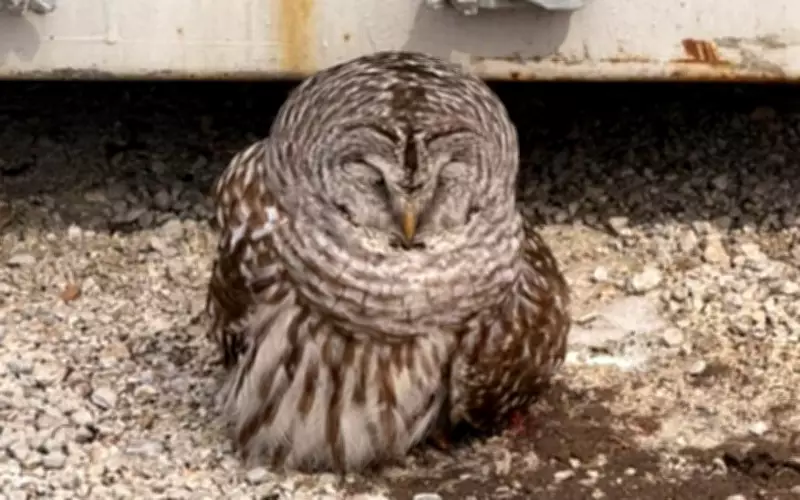
In a concerning development for local wildlife, another owl has been found in distress in Simcoe County, Ontario. The bird, discovered in Creemore, was suffering from a significant wing injury, prompting a swift response from emergency animal services. This incident underscores ongoing challenges faced by wildlife in the region and raises questions about environmental pressures impacting native species.
Details of the Rescue Operation
The injured owl was located by residents in Creemore, who immediately contacted the Simcoe County Emergency Animal Response team. According to reports, the bird exhibited clear signs of distress and was unable to fly due to the wing injury. Emergency responders arrived promptly to assess the situation and provide initial care before transporting the owl to a specialized wildlife rehabilitation facility for further treatment.
This rescue marks the latest in a series of similar incidents in Simcoe County, where wildlife encounters have become increasingly common. Local authorities have noted a rise in reports of injured or distressed animals, particularly birds of prey like owls, which may be affected by habitat loss, climate change, or human activities. The exact cause of this owl's injury remains under investigation, but it highlights the vulnerability of these creatures in changing environments.

Broader Environmental Context
The rescue occurs against a backdrop of heightened environmental awareness in Canada, with issues such as climate change, pollution, and wildlife conservation gaining public attention. Recent events, including extreme weather patterns and debates over environmental policies, have fueled discussions about protecting natural ecosystems. In Simcoe County, efforts to preserve green spaces and support biodiversity are ongoing, but incidents like this owl rescue suggest more work is needed to safeguard local fauna.
Wildlife experts emphasize that such rescues are critical not only for individual animals but also for maintaining ecological balance. Owls play a vital role in controlling rodent populations and contributing to healthy ecosystems. Their distress can signal broader environmental issues that require community and governmental action. Public awareness campaigns and conservation programs are being encouraged to mitigate risks to wildlife.
Community Response and Future Steps
Local residents have expressed concern over the injured owl, with many taking to social media to share updates and support for the rescue efforts. The Simcoe County Emergency Animal Response team has reiterated the importance of reporting distressed wildlife promptly and avoiding interference to prevent further harm. They advise that if people encounter injured animals, they should keep a safe distance and contact professionals immediately.
Looking ahead, environmental groups in the area are calling for increased funding and resources for wildlife rehabilitation and habitat protection. Proposals include stricter regulations on land development, enhanced monitoring of wildlife populations, and educational initiatives to promote coexistence with native species. As climate and environmental policies evolve, such measures could help reduce the frequency of distress incidents among owls and other wildlife in Simcoe County.
In conclusion, the rescue of this injured owl serves as a poignant reminder of the challenges facing wildlife in Ontario. While the immediate focus is on the bird's recovery, the broader implications for environmental conservation and community engagement remain paramount. Continued vigilance and proactive efforts will be essential to ensure the well-being of Simcoe County's natural inhabitants in the years to come.