Chinese National Intercepted in Major Ant Smuggling Attempt at Nairobi Airport
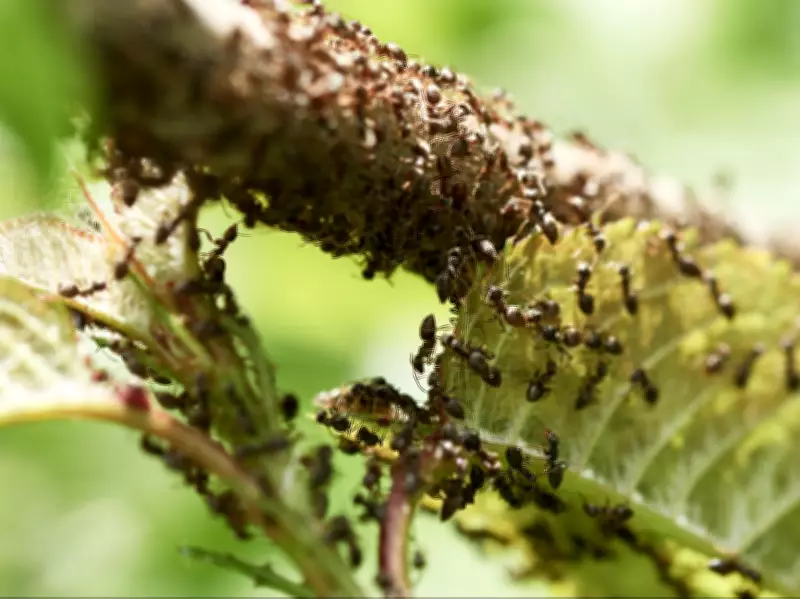
Airport officials in Kenya's capital have intercepted a man allegedly attempting to smuggle more than 2,000 live queen garden ants out of the country in a significant wildlife trafficking case. The incident occurred at Jomo Kenyatta International Airport in Nairobi, where security checks revealed the illegal cargo hidden within the traveler's luggage.
Details of the Elaborate Smuggling Operation
Zhang Kequn, a Chinese national, was stopped during routine security screening when officials discovered the concealed insects. Investigators recovered a total of 2,238 ants, with 1,948 carefully packed in test tubes and the remaining specimens hidden within three rolls of tissue paper inside his luggage.
Prosecutor Allen Mulama presented these details to a Kenyan court, revealing the sophisticated nature of the smuggling attempt. According to court documents, Zhang had been in Kenya for approximately two weeks before his attempted departure, during which time three alleged accomplices supplied him with the protected insects.

Connection to Larger Trafficking Network
This incident represents more than an isolated case. Zhang was previously flagged by authorities after evading arrest last year in connection with what investigators believe is an organized ant-trafficking network operating in Kenya. Law enforcement officials suspect Zhang may be the mastermind behind this illegal operation.
Following his interception at the airport, Zhang has been detained for five additional days as detectives continue their investigation. The probe includes forensic examinations of the suspect's electronic devices, which may reveal further details about the trafficking network's operations and connections.
Growing International Demand for Protected Ants
Why would someone risk smuggling ants? These particular insects—scientifically known as Messor cephalotes—are protected under international biodiversity treaties, and their trade is strictly regulated. The Kenya Wildlife Service has warned of increasing demand for these garden ants in both Asia and Europe, where collectors keep them as exotic pets.
The Kenya Wildlife Service has identified this as a growing problem, with organized networks targeting Kenya's protected wildlife for international markets. Last year marked a significant precedent when four men received substantial fines in what authorities described as "a coordinated, intelligence-led operation" against ant smuggling.
Previous Cases and Legal Precedents
In May 2025, a Kenyan court sentenced four individuals to fines of $7,700 each for attempting to smuggle thousands of live queen ants out of the country. The group included two Belgian nationals, a Vietnamese national, and a Kenyan citizen, all of whom pleaded guilty to charges of illegal possession and attempted export of protected wildlife.
During that previous case, the Belgian defendants claimed they were collecting the ants as a hobby and were unaware their actions violated Kenyan law. This defense highlights the need for greater public awareness about wildlife protection regulations and the serious consequences of violating international biodiversity agreements.
Ongoing Investigation and Future Implications
Authorities expect more arrests as investigators expand their search to other Kenyan towns where ongoing ant harvesting is suspected. The case against Zhang represents a significant development in Kenya's efforts to combat wildlife trafficking, particularly involving species that might not receive the same attention as larger, more charismatic animals.
This incident underscores the complex challenges facing wildlife protection agencies as they work to prevent the illegal trade of protected species, regardless of size. The meticulous packing methods used in this smuggling attempt—with ants carefully stored in test tubes and concealed in tissue paper—demonstrate the sophistication of trafficking networks targeting even the smallest members of Kenya's biodiversity.