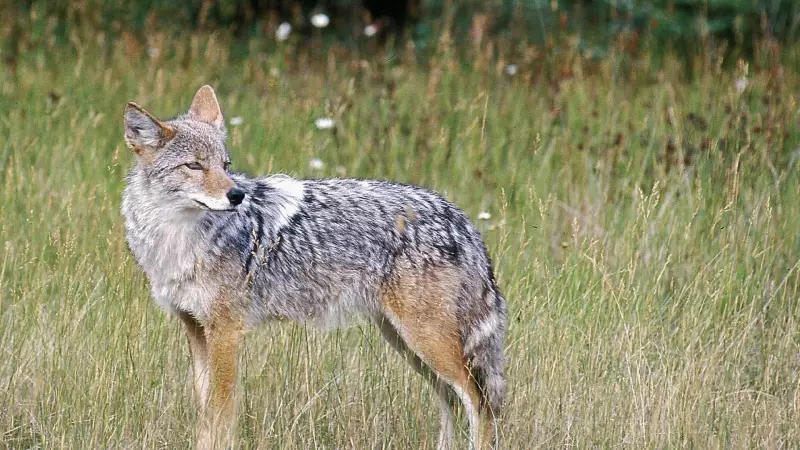
The province of Nova Scotia has issued an official public advisory, urging residents to exercise heightened caution due to a notable increase in coyote activity across the region. The warning, announced on January 17, 2026, comes in response to a growing number of reported sightings and encounters, prompting concerns for community safety.
Details of the Advisory and Safety Concerns
While the advisory did not specify exact locations of every incident, the provincial government emphasized that the trend is widespread. Officials from the Department of Natural Resources and Renewables are monitoring the situation closely. The increase in coyote presence is often linked to seasonal factors, such as food scarcity during winter months, which can drive the animals closer to urban and suburban areas in search of sustenance.
The primary concern is for the safety of people, especially children, and domestic pets. Coyotes, while generally wary of humans, can become bolder when habituated to human presence or when food sources like garbage, pet food, or compost are readily available. Unsecured small pets can also be perceived as prey.

Essential Safety Recommendations for the Public
The advisory outlines several critical steps residents should take to minimize risks and coexist safely with local wildlife. These guidelines are designed to prevent conflicts before they occur.
Key recommendations include:
- Always supervise pets, especially small dogs and cats, when they are outdoors, and keep them on a leash during walks.
- Secure all potential food sources, including garbage bins, compost containers, and bird feeders, which can attract coyotes and other wildlife.
- Avoid feeding coyotes intentionally or unintentionally. Feeding them makes them lose their natural fear of humans.
- Make your property less inviting by clearing brush and dense weeds where coyotes might den or hide.
- If you encounter a coyote, do not run. Instead, stand your ground, make yourself appear large, and make loud noises to scare it away.
Official Response and Community Vigilance
The province is asking for the public's cooperation in reporting aggressive or unusually bold coyote behavior to local authorities. This information helps wildlife officials track patterns and respond appropriately to potential hotspots. The advisory serves as a proactive measure to educate the public and prevent dangerous incidents, rather than a reaction to a specific attack.
By following these guidelines, Nova Scotians can help ensure their own safety and discourage coyotes from becoming a persistent problem in residential neighborhoods. The advisory remains in effect until further notice, and officials may provide updates as conditions change. Community awareness and responsible behavior are considered the first and most effective lines of defense in managing human-wildlife interactions.