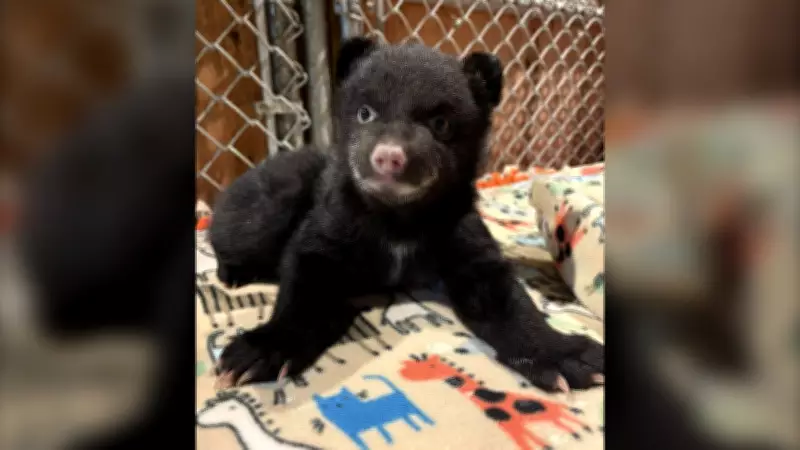
Two Orphaned Black Bear Cubs Rescued on Vancouver Island After Mother Found Dead
The North Island Wildlife Recovery Centre, a not-for-profit organization dedicated to the well-being of wildlife on Vancouver Island, British Columbia, has announced the admission of two young orphaned black bear cubs. The cubs were rescued after their mother was found dead, underscoring the critical role of conservation efforts in the region.
Rescue and Admission Details
The rescue operation took place recently, with the cubs being brought to the centre for care and rehabilitation. The North Island Wildlife Recovery Centre, known for its expertise in handling injured and orphaned wildlife, will provide the necessary medical attention, nutrition, and shelter to ensure the cubs' survival and eventual release back into the wild. This incident highlights the ongoing challenges faced by wildlife due to human activities, habitat loss, and other environmental factors.
Importance of Wildlife Conservation
Wildlife conservation is a pressing issue on Vancouver Island, where black bears are a common species. The loss of a mother bear can have devastating effects on cubs, who rely on maternal care for survival in their early years. Organizations like the North Island Wildlife Recovery Centre play a vital role in mitigating these impacts through rescue, rehabilitation, and public education programs. Their work helps maintain biodiversity and supports ecosystem health in British Columbia.

Broader Context and Community Impact
This rescue comes amid broader environmental concerns, such as climate change and habitat destruction, which threaten wildlife populations across Canada. The centre's efforts not only save individual animals but also raise awareness about the importance of protecting natural habitats. Community support through donations and volunteerism is crucial for sustaining these conservation initiatives, ensuring that future generations can enjoy the rich wildlife of Vancouver Island.
In summary, the rescue of these orphaned bear cubs serves as a poignant reminder of the fragility of wildlife and the essential work done by conservation organizations. As the cubs recover under professional care, their story underscores the need for continued vigilance and action to protect our natural world.