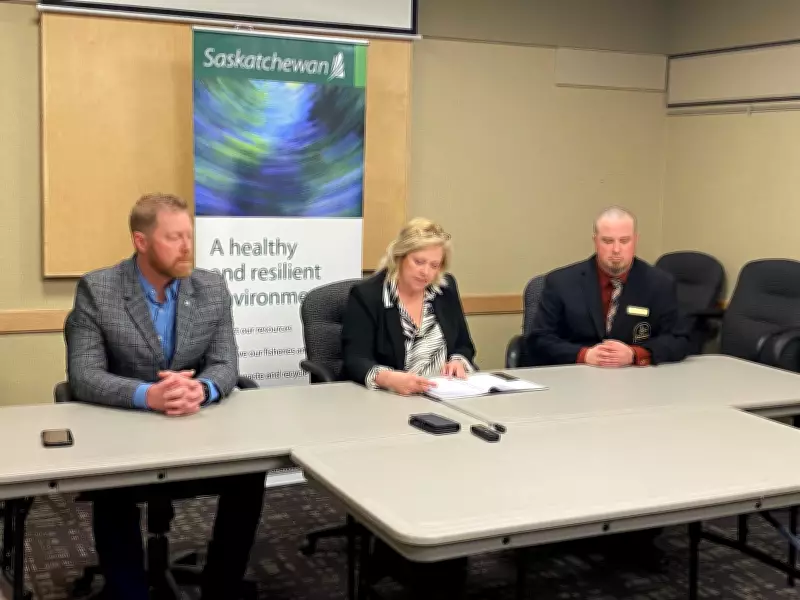
Saskatchewan Implements New Hunting License Regulations to Prioritize Local Hunters
The Saskatchewan Wildlife Federation (SWF) has expressed strong support for recent changes to hunting licenses that will significantly restrict non-resident access to game birds across the province. Announced on March 20, 2026, these regulatory adjustments are designed to prioritize Saskatchewan hunters in the allocation of wildlife resources, marking a pivotal shift in the management of provincial game populations.
Focus on Sustainable Wildlife Management and Local Access
According to the SWF, the new measures aim to ensure that Saskatchewan residents have enhanced opportunities to participate in hunting activities, which are deeply ingrained in the region's cultural and recreational fabric. By limiting non-resident access, officials hope to address concerns about overharvesting and promote sustainable practices that balance ecological health with hunter satisfaction. This move reflects a broader trend in wildlife policy where provinces are increasingly tailoring regulations to local needs and conservation goals.
Impact on Non-Resident Hunters and Economic Considerations
The restrictions are expected to affect hunters from outside Saskatchewan, who previously enjoyed more liberal access to game birds such as ducks, geese, and other migratory species. While this may reduce tourism revenue from non-resident hunting trips, the SWF argues that the long-term benefits for local communities and wildlife sustainability outweigh potential economic drawbacks. The federation emphasizes that these changes are not intended to alienate non-residents but to create a more equitable system that safeguards resources for future generations of Saskatchewan hunters.

- Reduced quota allocations for non-resident hunters in popular game bird zones.
- Stricter application processes and eligibility criteria for out-of-province licenses.
- Enhanced monitoring and enforcement to ensure compliance with the updated regulations.
- Collaboration with conservation groups to assess the ecological impact of hunting activities.
Broader Context and Future Outlook
This policy shift aligns with similar initiatives in other Canadian provinces, where wildlife management agencies are grappling with the challenges of increasing hunter populations and habitat pressures. The SWF plans to work closely with government bodies to monitor the effects of these restrictions and make adjustments as needed. Looking ahead, stakeholders anticipate that these measures will foster a more resilient hunting culture in Saskatchewan, one that values local participation while maintaining high standards of conservation ethics.