Sea Lion Pups Successfully Returned to Ocean Following Intensive Rehabilitation
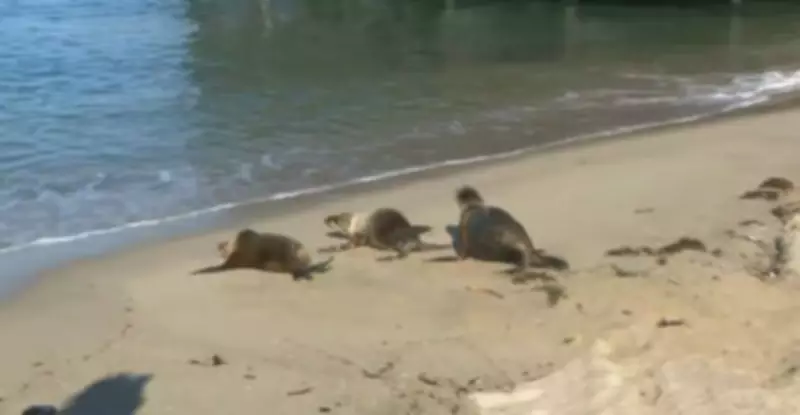
In a heartwarming display of wildlife conservation success, a trio of sea lion pups has been triumphantly released back into their natural ocean habitat after undergoing extensive rehabilitation at the Marine Mammal Care Center Los Angeles. The release, which took place along the California coastline, marks a significant victory for marine mammal rescue efforts and highlights the critical work performed by dedicated wildlife professionals.
From Rescue to Release: The Journey of Three Marine Mammals
The sea lion pups arrived at the rehabilitation center in various states of distress, having been separated from their mothers or suffering from malnutrition and other health complications. Marine mammal experts provided round-the-clock care, including specialized feeding regimens, medical treatment, and monitored swimming sessions to rebuild the animals' strength and prepare them for life in the wild.
The rehabilitation process typically lasts several months, during which time the young sea lions learn essential survival skills they would normally acquire from their mothers in their natural environment. Caretakers work diligently to minimize human interaction while ensuring the animals receive proper nutrition and medical attention, creating an optimal balance between necessary intervention and maintaining the wild nature of these marine mammals.

Conservation Significance and Broader Environmental Context
This successful release occurs against a backdrop of increasing challenges facing marine ecosystems along the Pacific coast. Sea lion populations have faced numerous threats in recent years, including:
- Changing ocean temperatures affecting food availability
- Marine pollution and plastic debris hazards
- Human-wildlife conflicts in coastal areas
- Disease outbreaks within marine mammal populations
Wildlife rehabilitation centers play a crucial role in mitigating these threats by providing emergency care for stranded, injured, or orphaned marine animals. The Marine Mammal Care Center Los Angeles, like similar facilities along the West Coast, operates as a critical safety net for vulnerable marine species, particularly during periods of environmental stress or unusual mortality events.
The Release Process and Post-Release Monitoring
The actual release involved careful planning and coordination between marine biologists, veterinarians, and wildlife officials. The sea lions were transported to an appropriate release site selected for its:
- Proximity to established sea lion colonies
- Abundant food resources
- Minimal human disturbance
- Suitable environmental conditions
Before release, each animal received a final health assessment and, in some cases, identification markers to facilitate potential future monitoring. While not all released animals are tracked, some rehabilitation programs employ satellite tags or other tracking methods to gather valuable data about post-release survival rates and movement patterns, contributing to ongoing research about marine mammal ecology and conservation strategies.
Broader Implications for Marine Conservation
This successful rehabilitation story represents more than just three individual animals returning to their natural environment. It demonstrates the effectiveness of coordinated wildlife response systems and highlights the importance of public support for marine conservation initiatives. As climate change and human activities continue to impact ocean ecosystems, such rehabilitation efforts become increasingly vital for maintaining biodiversity and protecting vulnerable marine species.
The release of these sea lion pups serves as a powerful reminder of both the challenges facing marine wildlife and the potential for positive intervention through dedicated conservation work. It underscores the interconnectedness of healthy marine ecosystems and human responsibility toward preserving these vital natural resources for future generations.