Skunk Rescued in Barrie After Plastic Container Traps Its Head in Dumpster
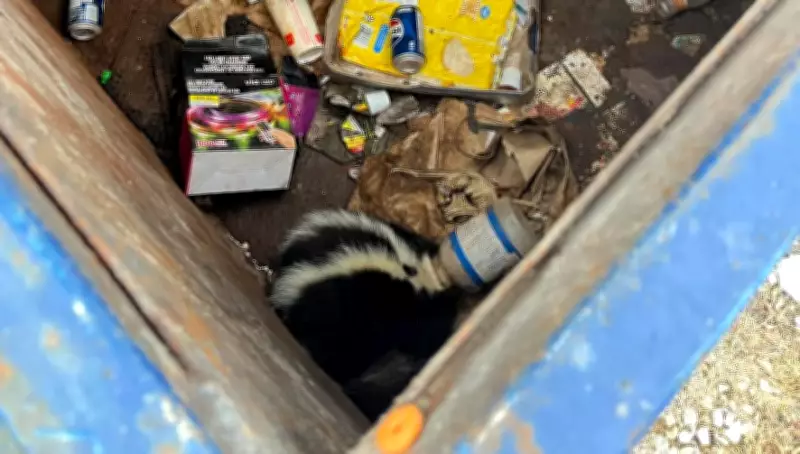
In a concerning wildlife incident in Barrie, a skunk was discovered trapped in a dumpster with a plastic container firmly stuck on its head. The situation, which unfolded recently, required immediate intervention from emergency animal response teams to ensure the animal's safety and well-being.
Emergency Response to Urban Wildlife Hazard
According to reports from Simcoe County Emergency Animal Response, the skunk was found in distress, unable to free itself from the plastic container. This type of incident underscores the dangers that urban environments can pose to local wildlife, particularly when waste materials are not properly disposed of or secured.
The rescue operation involved careful handling to avoid distressing the skunk further, as these animals are known for their defensive spray mechanism. Emergency responders successfully removed the container, allowing the skunk to be released back into its natural habitat unharmed. This event serves as a stark reminder of the importance of responsible waste management to prevent similar occurrences.

Broader Implications for Wildlife Conservation
This incident in Barrie is not isolated; wildlife encounters with human-made debris are increasingly common in urban and suburban areas. Plastic waste, in particular, poses significant risks to animals, leading to injuries, entrapment, or even death. Community awareness and proactive measures are crucial to mitigating these hazards.
Local authorities and animal welfare organizations often emphasize the need for residents to secure trash bins and reduce plastic usage to protect native species. In this case, the swift action by emergency responders prevented a potentially fatal outcome, highlighting the value of dedicated wildlife rescue services.
Preventive Steps and Public Awareness
To address such issues, experts recommend several preventive steps:
- Ensure all trash containers have tight-fitting lids to prevent animals from accessing them.
- Dispose of plastic materials properly, avoiding littering that can endanger wildlife.
- Support local wildlife rescue initiatives through donations or volunteer efforts.
- Educate communities about the impact of waste on animal habitats and behaviors.
By taking these actions, residents can help reduce the frequency of wildlife entrapments and contribute to a safer environment for both animals and humans. The Barrie skunk rescue serves as a poignant example of how urban development and wildlife conservation must coexist harmoniously.