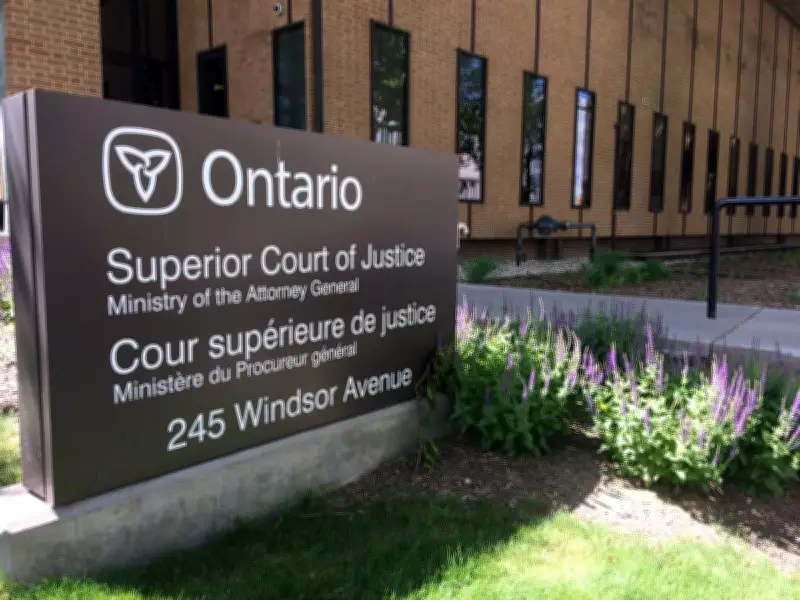
A Windsor man with a history of addiction is hoping to avoid a prison sentence after being convicted of selling cocaine to an undercover Windsor police officer. The case was heard at the Superior Court of Justice in Windsor, where the defence argued that the accused's addiction and efforts to rehabilitate should be considered mitigating factors.
Case Details
The accused, whose identity has not been disclosed, was arrested after selling cocaine to an undercover officer as part of a police operation targeting drug trafficking in the city. The Crown is seeking a custodial sentence, while the defence is pushing for a community-based sentence that would allow the man to continue his recovery.
Defence Arguments
Defence lawyer Sarah Thompson emphasized that her client's actions were driven by his addiction rather than profit. She noted that he has taken significant steps toward rehabilitation, including enrolling in a treatment program and maintaining sobriety for several months. Thompson argued that incarceration would disrupt his progress and increase the risk of relapse.

Crown Position
Assistant Crown Attorney Mark Davies countered that trafficking cocaine is a serious offense that undermines community safety. He highlighted the quantity of drugs involved and the fact that the sale occurred to a police officer, indicating a level of criminal sophistication. Davies argued that a prison sentence is necessary to deter others and reflect the gravity of the crime.
Sentencing Hearing
The sentencing hearing is expected to continue next week, with both sides presenting further evidence and arguments. The judge will also consider a pre-sentence report, which details the accused's background, including his struggle with addiction and previous attempts at rehabilitation.
Community Impact
Drug trafficking has been a persistent issue in Windsor, with police conducting regular operations to combat the flow of illegal substances. Community advocates have called for more resources for addiction treatment and harm reduction services, arguing that punitive measures alone are insufficient to address the root causes of drug-related crime.
The case has drawn attention to the intersection of addiction and criminal justice, with some experts suggesting that alternative sentencing options, such as drug treatment courts, can be more effective for non-violent offenders struggling with substance use disorders.
As the court deliberates, the accused remains out of custody on strict conditions, including regular check-ins with his probation officer and continued participation in addiction treatment. The outcome of this case could set a precedent for how similar cases are handled in the region.