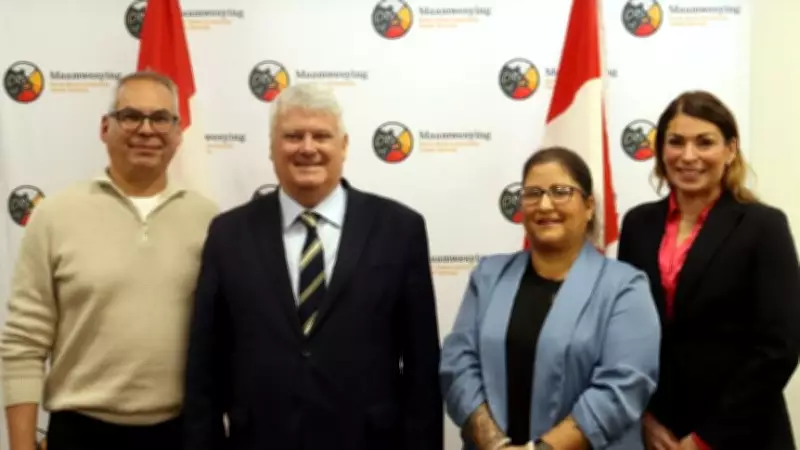
Anishinaabe Teachings Guide New Addiction Funding in the North Shore
Federal funding totalling $11.4 million has been allocated to eight projects across Ontario, specifically targeting the illicit drug crisis that continues to impact communities. This significant investment aims to address addiction through culturally informed approaches, with a particular focus on Indigenous-led initiatives.
Key Allocation to North Shore Community Health Services
Among the recipients, aamwesying North Shore Community Health Services is set to receive $3.6 million. This funding will support programs that integrate Anishinaabe teachings and traditional practices into addiction recovery services. By blending modern healthcare with ancestral wisdom, the project seeks to provide holistic support for individuals struggling with substance use disorders.
The initiative underscores a growing recognition of the importance of cultural sensitivity in public health strategies. Anishinaabe teachings, which emphasize community, healing, and connection to the land, are being leveraged to create more effective and respectful interventions. This approach not only addresses the immediate needs of those affected by addiction but also works to rebuild trust and resilience within Indigenous communities.

Broader Context of the Funding
The $11.4 million in federal funding is part of a larger effort to combat the illicit drug crisis across Ontario. The eight projects funded span various regions and are designed to offer a range of services, from prevention and education to treatment and aftercare. By supporting multiple initiatives, the government aims to create a comprehensive network of resources that can adapt to local needs and challenges.
Experts highlight that incorporating Indigenous knowledge systems into addiction funding is a critical step toward addressing health disparities. Studies have shown that culturally relevant programs often yield better outcomes, as they resonate more deeply with participants and foster a sense of belonging and identity. This funding model could serve as a blueprint for future public health investments in other regions facing similar crises.
As the projects roll out, stakeholders will monitor their impact on reducing drug-related harms and improving community well-being. The integration of Anishinaabe teachings is expected to not only aid in recovery but also empower communities to take ownership of their health journeys, paving the way for sustainable change in the fight against addiction.