A new study has found that Australia's controversial ban on social media for teenagers under 16 has had little impact, with most teens easily bypassing the restrictions. The research, conducted by the Australian Institute of Family Studies, surveyed 1,200 teenagers and their parents across the country.
Teens bypass ban with ease
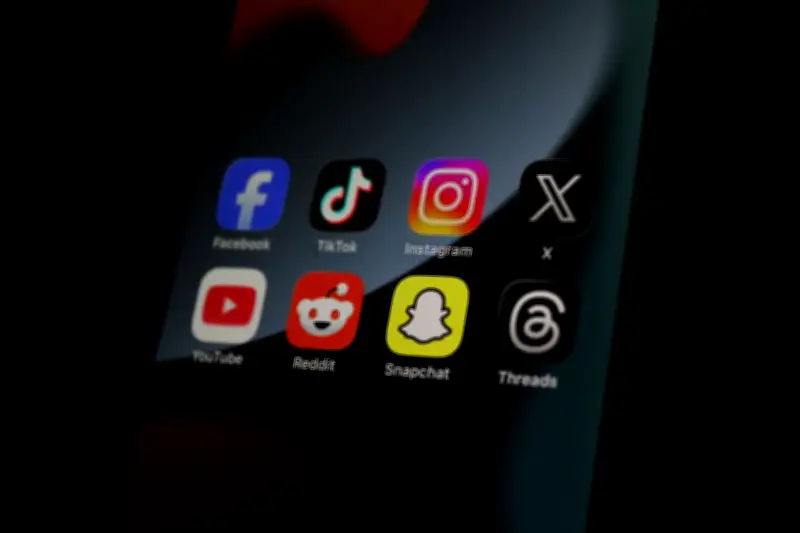
According to the study, 85% of teenagers aged 13-15 reported still using social media platforms such as TikTok, Instagram, and Snapchat despite the ban. Many used virtual private networks (VPNs) or simply lied about their age to create accounts. Only 12% of parents said they actively enforced the ban by monitoring their children's online activity.
The ban, introduced in 2025, was intended to protect young people from online harms including cyberbullying, exposure to inappropriate content, and mental health issues. However, the research suggests it has been largely ineffective.

Lack of enforcement
Professor Sarah Johnson, lead author of the study, said: “The ban was well-intentioned, but without proper enforcement and education, it has failed to change behavior. Teenagers are digitally savvy and find ways around restrictions. Parents also need more support to manage their children's online lives.”
The study found that only 8% of teens reported that their parents had installed parental control software, and 22% said their parents had discussed online safety with them in the past month.
Implications for policy
The findings have sparked debate among policymakers. Some argue that the ban should be strengthened with stricter penalties for platforms that fail to enforce age restrictions. Others suggest a focus on digital literacy and parental education instead.
Australia's eSafety Commissioner, Julie Inman Grant, said: “We need a multi-pronged approach. Legislation alone is not enough. We must work with tech companies, schools, and families to create a safer online environment for young people.”
The study comes as other countries consider similar bans. The UK and France have debated age restrictions on social media, while the US has seen proposals for federal legislation.