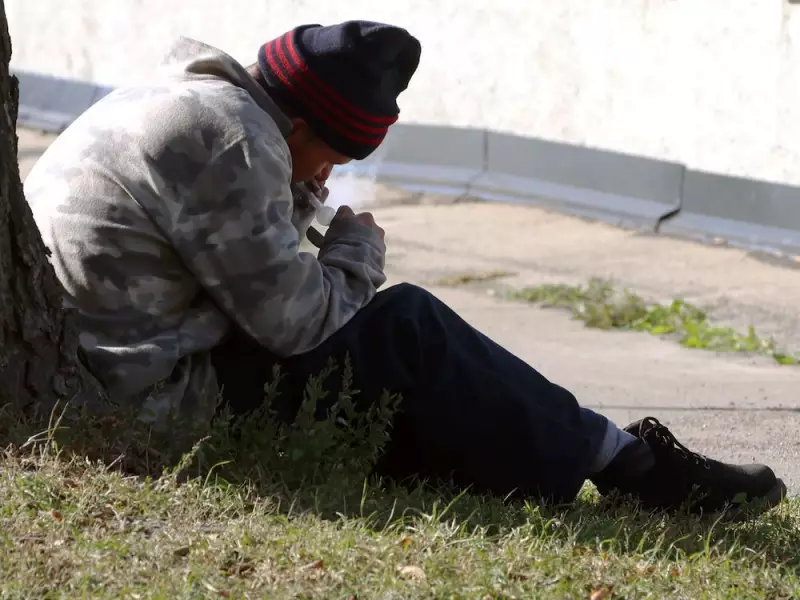
Manitoba Premier Wab Kinew has taken a firm stance on public drug intoxication, declaring that individuals suffering from meth addiction cannot dictate how the rest of society lives. This statement came as the province passed new legislation permitting the involuntary detainment of drug-intoxicated individuals for up to three days.
New Protective Care Centres Replace Outdated System
While Manitoba has long permitted the detention of intoxicated individuals in temporary holding cells, commonly known as "drunk tanks," for up to 24 hours, this system was designed primarily for alcohol consumption and proves inadequate for methamphetamine users.
The main effects of meth typically last up to 12 hours, but users experiencing withdrawal can "crash" for up to three days. Unlike alcohol hangovers, meth withdrawal often causes erratic, aggressive, and sometimes psychotic behavior that poses significant public safety concerns.

Under the previous system, meth users were frequently released back onto streets too early, leading to repeated public disturbances and unnecessary hospital visits that strained healthcare resources.
Comprehensive Approach to Addiction and Public Safety
The new legislation establishes "protective care centres" that can detain severely intoxicated drug users for up to 72 hours. These facilities will operate alongside traditional drunk tanks, which will continue handling detentions of less than 24 hours.
Individuals transferred to protective care centres will receive healthcare assessments at 24-hour intervals throughout their stay. The Manitoba government emphasizes that these centres will provide addiction services and compassionate support alongside detention.
Bernadette Smith, Minister of Housing, Addictions and Homelessness, told reporters, "We want to ensure that we are meeting people and supporting, and ensuring that they can get onto a path of recovery."
Implementation Timeline and Capacity
The first protective care centre in Winnipeg will become fully operational in December 2025, initially featuring 20 units with an additional 20 units scheduled to open early next year. The facility will be staffed by paramedics and workers from Main Street Project, a nonprofit organization already operating its own protective care program.
The existing Main Street Project program saw approximately 7,200 visits in 2024, averaging about 20 visits daily, suggesting that Manitoba's expanded capacity represents an ambitious but realistic approach to addressing the issue.
While Premier Kinew acknowledges the importance of integrating treatment into temporary detentions, he places equal, if not greater, emphasis on public safety. He recently told reporters, "We're taking back our streets; we're taking back our communities; we're taking back our bus stops; and we're going to make Manitoba safe again."
The new law represents a significant shift in how Manitoba addresses public drug intoxication, balancing compassionate care with firm measures to restore public order and safety.