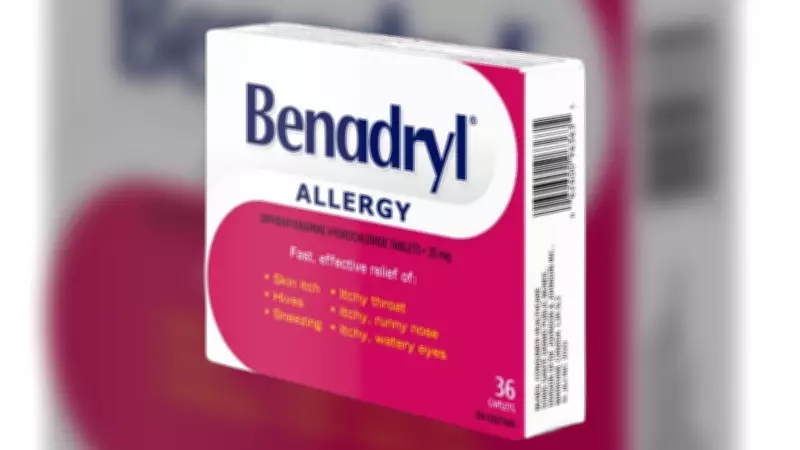
Nipissing First Nation has issued a stark warning to its community members about a deadly new trend involving the overuse of Benadryl, an antihistamine commonly used for allergies. The trend, which has been circulating among youth on social media, encourages individuals to consume excessive amounts of the medication to induce hallucinations or a euphoric high. This practice, often referred to as the Benadryl challenge, can lead to severe health complications, including seizures, heart problems, and even death.
Rising Concerns Among Health Officials
Health officials at Nipissing First Nation's Lawrence Commands Health Centre have reported an uptick in emergency visits related to Benadryl overdoses. Dr. Sarah Mitchell, a local physician, emphasized the dangers of this trend. "Benadryl is not a recreational drug. Taking more than the recommended dose can cause serious harm, especially in children and teenagers," she said. The health centre is now working with schools and community organizations to spread awareness and prevent further incidents.
Community Response and Education
In response to the growing concern, Nipissing First Nation has launched an educational campaign aimed at parents and youth. The campaign includes informational sessions, social media posts, and distribution of flyers detailing the risks of Benadryl misuse. Chief Mary Ann Lavallee urged families to have open conversations about substance abuse. "We need to protect our youth from these dangerous online trends. Communication is key," she stated. The community is also collaborating with addiction recovery services to provide support for those struggling with substance use.

National Context and Prevention
The warning from Nipissing First Nation is part of a broader national concern over the Benadryl challenge, which has been linked to several deaths across Canada and the United States. Health Canada has issued similar advisories, reminding the public that antihistamines should only be used as directed. Experts recommend storing medications securely and monitoring children's online activity to prevent exposure to such trends. For those seeking help, local addiction hotlines and mental health resources are available.
As the community rallies to address this issue, leaders hope that increased awareness will save lives. The Nipissing First Nation continues to prioritize the well-being of its members, urging anyone experiencing symptoms of an overdose or struggling with addiction to seek immediate medical attention.