British Columbia is significantly widening access to a life-saving, homegrown medical procedure that offers a powerful shield against one of the deadliest cancers for women. The provincial program for opportunistic salpingectomy—the preventive removal of fallopian tubes—is being expanded to reach more patients, building on over a decade of pioneering research and clinical success.
A Game-Changer in Cancer Prevention
The procedure, which involves removing the fallopian tubes during another planned abdominal or gynecological surgery, has proven to be a revolutionary prevention tool. Research led in B.C. has demonstrated it reduces the occurrence of high-grade serous carcinoma, a particularly lethal form of ovarian cancer, by a staggering 80 per cent.
"It was a no-brainer for me," said Lorena Munro, a 41-year-old mother of three from Revelstoke who had the procedure during a caesarean section in 2023. "We all know someone who has gone through cancer, and ovarian cancer is one of the scariest."

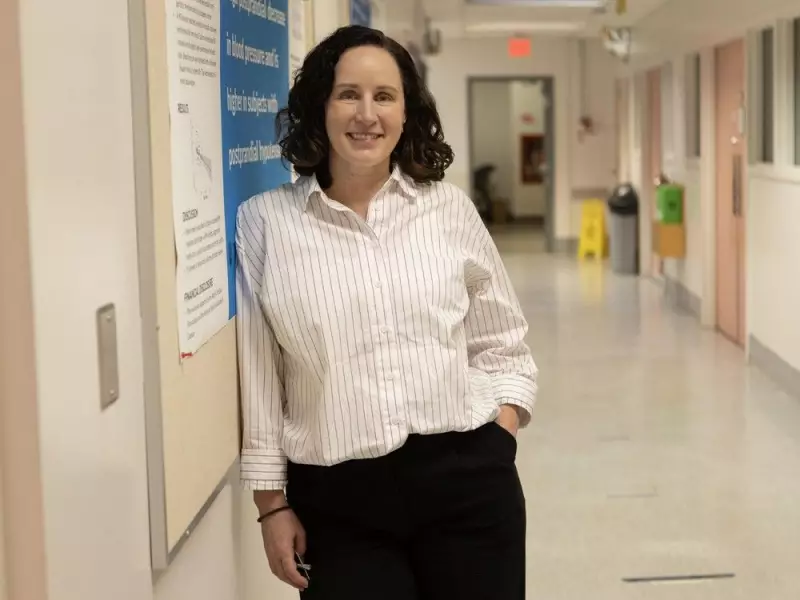
Dr. Gillian Hanley, an assistant professor in obstetrics and gynecology at the University of British Columbia, is part of the research team that validated this strategy. The work, initially led by Dr. Diane Miller, overturned previous medical understanding. "Evidence shows that most of these ovarian cancers do not originate in the ovaries as was previously believed," Dr. Hanley explained. "We found the pre-lesions for this kind of cancer were in the fallopian tubes, not the ovaries."
From Pioneering Recommendation to Broader Access
In 2010, B.C. made history as the first region globally to recommend fallopian tube removal during hysterectomies and tubal ligations for women of average risk who were certain they did not want more children. The promising early results led the province to offer the procedure even before long-term clinical trial data was complete, operating on the premise that removing the tissue of origin would remove the risk.
That bet paid off. A 2022 study led by Dr. Hanley, analyzing data from 2008 to 2017, provided clear evidence: opportunistic salpingectomy significantly reduced the risk of high-grade ovarian cancer by 80 per cent. The findings were so compelling that during the study, when women were allowed to choose between the salpingectomy group or a control group, every participant wanted the preventive surgery. "No one wanted to be in the control group," Hanley noted, forcing researchers to use retrospective historical data for comparison.
Expanding the Reach of Prevention
Based on this powerful evidence, the province is now expanding the program's reach. The recommendation for opportunistic salpingectomy will now include routine surgeries performed by general and urologic surgeons. This strategic move aims to offer the preventive option to a wider pool of women undergoing various abdominal procedures, thereby preventing more cancers.
Dr. Hanley emphasizes the safety profile of the addition. "It is very safe to do, and it does not increase risk for any operative or post-operative complications," she stated. The fallopian tubes primarily function as a conduit for fertilization; their removal does not affect ovarian hormone production, allowing women to avoid surgical menopause if the ovaries are preserved.
This expansion solidifies British Columbia's role as a world leader in proactive ovarian cancer prevention, turning made-in-B.C. research into a tangible, life-saving standard of care for thousands of women.