An 11-year-old boy from Ontario died of rabies in 2024 after a bat rested on his face while he slept, according to a report published in the Canadian Medical Association Journal. The case highlights a critical gap in public awareness: any direct contact with a bat, even without a visible bite or scratch, requires immediate medical attention.
Bat encounter at a Northern Ontario cottage
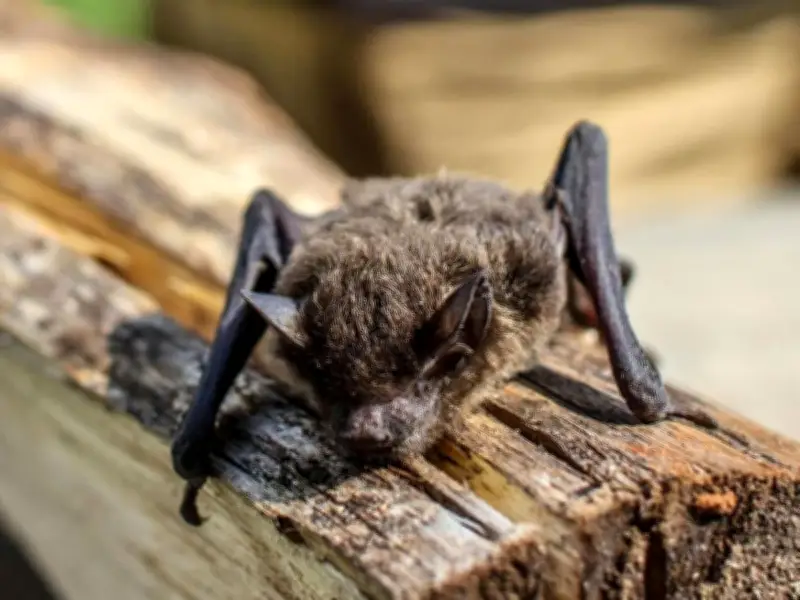
The boy was visiting a cottage in northern Ontario when he awoke to find a bat on his nose and mouth. He swatted it off, and his father captured the bat in a cooking pot and released it outside. Because the boy had no visible bites and the bat did not behave erratically, his parents did not seek medical care.
More than two weeks later, the boy developed paresthesia (tingling), numbness, and swelling on the right side of his face. A local urgent care clinic prescribed an antiviral drug. Within days, his condition worsened to include facial weakness, slurred speech, fever, difficulty swallowing, confusion, and visual hallucinations.

Hospitalization and diagnosis
He was admitted to hospital and then transferred to the pediatric intensive care unit. By his fifth day in hospital, he had no reflexes in his brain stem. Doctors confirmed rabies, and testing by the Canadian Food Inspection Agency identified a bat rabies virus variant.
“No proven effective therapy exists after symptom onset,” the report states. Life-sustaining therapies were withdrawn on day 17 of admission, and the boy died peacefully with his family at his bedside.
Public health warnings
“Any direct human contact with a bat, even in the absence of a visible bite or scratch, is an indication for PEP and should be discussed with public health authorities,” the doctors wrote. PEP, or post-exposure prophylaxis, involves a combination of antibodies and a vaccine. If the bat is available for testing, results can be obtained within 48 hours, and PEP can be held pending results.
The report notes that finding a bat in the bedroom of a sleeping person with no recognized physical contact is not an indication for PEP. However, the boy reported the bat resting on his face, which is a clear indication. “This highlights an important gap in public awareness,” the authors wrote. “Although rabid bats may show unusual behaviour… the absence of these behaviours does not exclude rabies.”
Rabies risks and prevention
Human rabies is extremely rare but almost always fatal once symptoms appear. The report emphasizes that PEP is safe and effective when given soon after exposure. “Adverse effects associated with PEP are generally mild and include reactions at injection sites and transient systemic symptoms,” the doctors added.
The case serves as a wakeup call for Canadians to take any bat contact seriously, even if no bite is apparent. Public health authorities can guide risk assessment and management decisions.