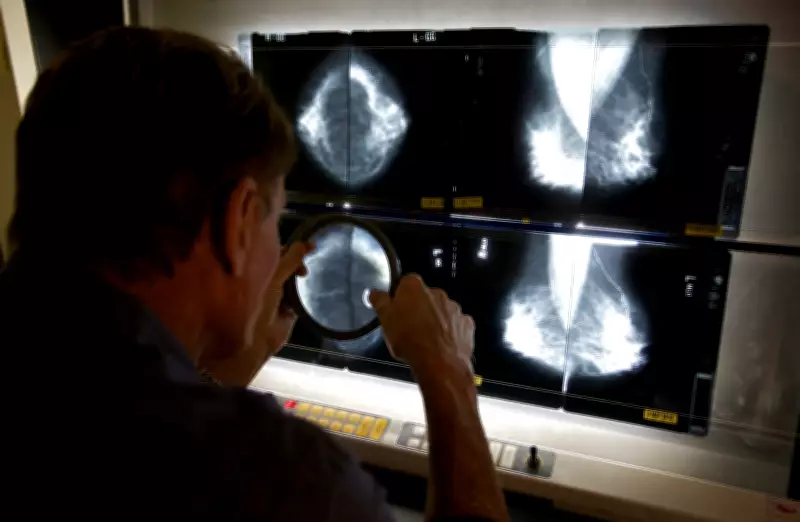
Canadian Cancer Rates Show Overall Decline, But Specific Types Are Rising
New comprehensive data from health authorities across Canada indicates a promising trend: overall cancer incidence and mortality rates have declined significantly nationwide. This positive development reflects advancements in prevention, early detection, and treatment methodologies that are saving lives and reducing new diagnoses. However, the report also sounds a note of caution, revealing that certain specific cancer types are bucking this downward trend and are actually increasing in prevalence.
A Nationwide Health Improvement
The decline in overall cancer rates is a testament to decades of public health initiatives, research investment, and improved healthcare access. Factors contributing to this success include widespread screening programs for cancers like breast and colorectal, reduced smoking rates, and more effective therapeutic options. Mortality rates have fallen particularly sharply, suggesting that not only are fewer people being diagnosed, but those who are diagnosed are surviving longer due to better care.
This statistical improvement represents a major public health achievement for Canada. It underscores the importance of sustained funding for cancer research and community health education. The data provides a clear benchmark for measuring the effectiveness of current policies and guiding future resource allocation within the healthcare system.

Concerning Increases in Specific Cancers
Despite the encouraging overall picture, the report details several areas of concern. Incidence rates for specific cancers, including some linked to lifestyle factors, environmental exposures, or demographic shifts, are on the rise. This divergence highlights the complex and evolving nature of cancer epidemiology.
Experts emphasize that the fight against cancer is not a single battle but a multifaceted campaign against numerous distinct diseases. The increasing rates of certain cancers point to new or persistent risk factors that require targeted attention. This may involve:
- Enhancing public awareness campaigns for under-recognized risk factors.
- Investing in research for cancers with rising incidence.
- Developing and implementing new screening protocols for emerging threats.
Implications for Future Health Policy
The mixed data presents a clear directive for health policymakers and researchers. While celebrating the overall decline, the medical community must redouble efforts to understand and combat the cancers that are becoming more common. This requires a nuanced approach that builds on successful strategies while innovating to address new challenges.
The report ultimately paints a picture of progress intertwined with persistent challenges. It serves as a crucial reminder that vigilance and adaptation are key in the ongoing effort to reduce the burden of cancer for all Canadians. Continued monitoring, research, and public health investment are essential to extend the positive trends and reverse the negative ones identified in this latest analysis.