Carrying Hope: An Ottawa Man's Inspiring Journey Through Cancer with a Chemotherapy Backpack
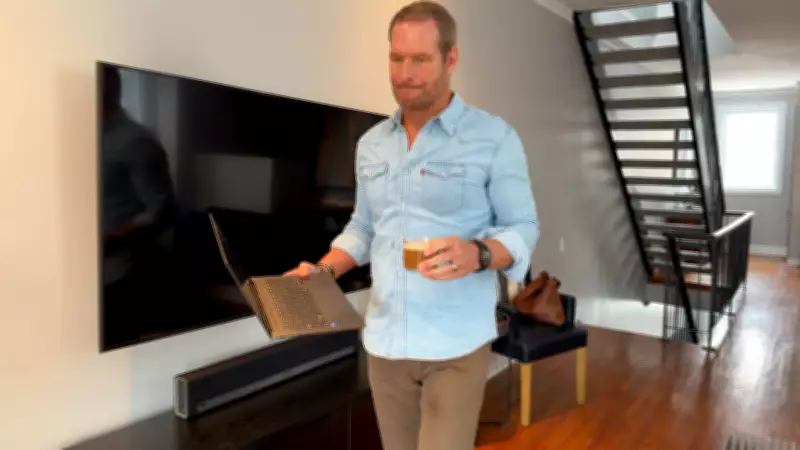
In a powerful story of resilience and medical innovation, an Ottawa man is navigating a challenging cancer diagnosis with the help of a portable chemotherapy device. Ted Wagstaff was diagnosed with a rare and aggressive form of cancer, a development that has reshaped his daily life and treatment approach.
A Portable Solution for Consistent Treatment
Wagstaff's treatment regimen involves using what is commonly referred to as a chemotherapy backpack. This specialized medical equipment functions as a portable pump, designed to deliver a consistent and controlled dose of chemotherapy drugs directly to the patient. Unlike traditional hospital-based treatments that require lengthy visits, this technology allows for greater mobility and continuity in care.
The chemo backpack represents a significant advancement in outpatient cancer therapy, enabling patients to maintain aspects of their normal routine while undergoing intensive treatment. For individuals like Wagstaff, who face particularly aggressive forms of the disease, such innovations can make a substantial difference in both physical outcomes and psychological well-being.

The Human Element Behind Medical Technology
While the chemotherapy backpack itself is a remarkable piece of medical technology, the true story lies in Wagstaff's personal journey. His experience highlights the intersection of human determination and scientific progress in modern healthcare. Facing a rare cancer diagnosis brings unique challenges, from limited treatment options to the emotional toll of navigating an uncertain prognosis.
The portable nature of his treatment allows Wagstaff to approach his cancer battle with a degree of autonomy that wouldn't be possible with conventional methods. This aspect of control can be psychologically empowering for patients undergoing what is often a disempowering experience.
Broader Implications for Cancer Care
Wagstaff's story emerges against a backdrop of broader healthcare discussions in Canada. As the country grapples with various medical challenges, from healthcare worker shortages in remote communities like Kashechewan to debates about public health regulations, individual stories like this one remind us of the human faces behind policy discussions.
The chemotherapy backpack technology represents just one example of how medical innovation is transforming patient experiences. While not suitable for all cancer types or treatment protocols, such portable systems offer promising alternatives for specific patient populations who benefit from continuous, low-dose chemotherapy administration.
As Ted Wagstaff continues his journey with this unique treatment approach, his story serves as both a testament to personal courage and an illustration of how technology can humanize medical care. In Ottawa and beyond, such innovations are reshaping what it means to live with and treat serious illnesses, offering new pathways for hope and healing in challenging circumstances.