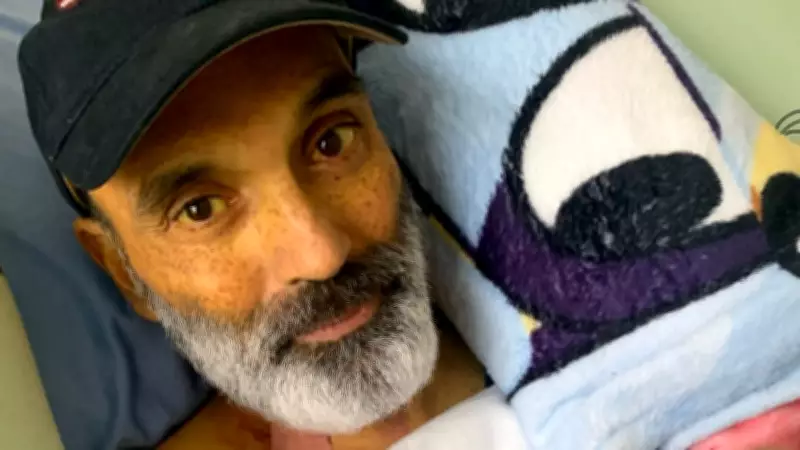
In a deeply personal and revealing account, a medical doctor has opened up about his transition from caregiver to patient after receiving a devastating Stage 4 cancer diagnosis. The physician, whose identity remains confidential in the original report, described initially feeling that "something was a bit off" with his health, prompting him to visit his own general practitioner for evaluation.
An Unexpected Turn in a Medical Career
The doctor's journey underscores a critical reality in healthcare: medical professionals are not immune to serious health conditions. Despite his extensive medical training and experience, he found himself on the receiving end of diagnostic tests and treatment discussions that he had previously only conducted with his own patients. This role reversal brought both professional insight and personal vulnerability to his cancer journey.
The Importance of Listening to Your Body
What makes this case particularly noteworthy is the doctor's decision to act on subtle symptoms. Rather than dismissing his concerns or attributing them to stress or overwork, he followed his medical instincts and sought professional evaluation. This proactive approach likely contributed to the cancer being identified, even at an advanced stage, allowing for treatment planning to begin immediately.

The emotional and psychological impact of such a diagnosis cannot be overstated, especially for someone accustomed to providing care rather than receiving it. The physician has reportedly been navigating not only the physical challenges of cancer treatment but also the complex emotional terrain of confronting mortality while maintaining professional responsibilities where possible.
Broader Implications for Medical Awareness
This story serves as a powerful reminder for both healthcare professionals and the general public about several key health principles:
- Early detection remains crucial in cancer outcomes, even when symptoms seem minor or nonspecific
- Medical training doesn't provide immunity from serious health conditions
- The importance of regular check-ups and heeding one's bodily signals
- The value of having a trusted primary care physician who knows your health history
While the specific type of cancer and treatment details weren't disclosed in the original reporting, the narrative highlights how cancer can affect anyone regardless of profession, age, or health knowledge. The doctor's experience adds to growing awareness about physician health and burnout in the medical community, where caregivers sometimes neglect their own wellbeing while focusing on patients.
As this physician continues his treatment journey, his story offers both caution and hope—reminding us that even those with medical expertise face health challenges, while demonstrating the resilience possible when confronting serious illness with professional knowledge and personal courage.