From Terminal Diagnosis to Unexpected Hope: How a Clinical Trial Changed Everything
Veteran journalist Don Martin had already begun planning his farewell tour across Canada. Following a devastating cancer prognosis that left him with what seemed like limited time, Martin was preparing to say his goodbyes to colleagues, friends, and the nation he had reported on for decades. Then, something remarkable happened that would rewrite his medical story entirely.
A Faint Light on the Horizon
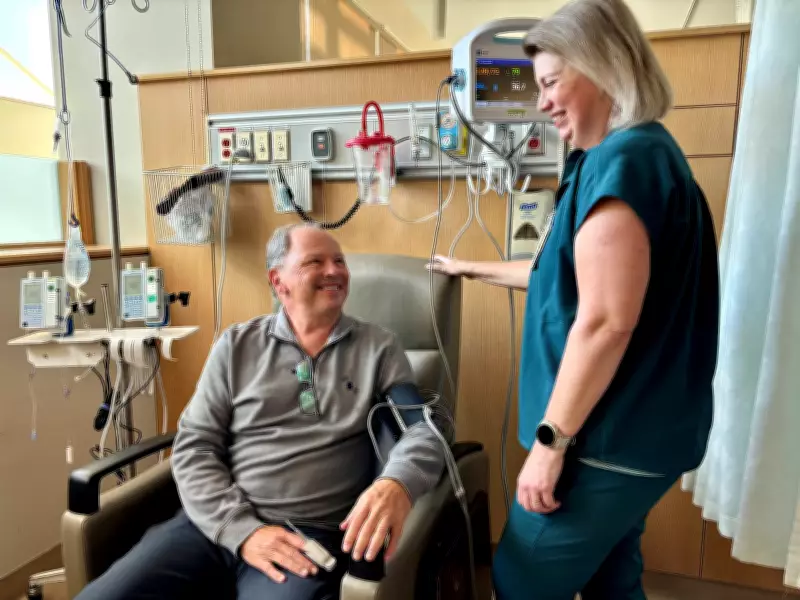
Just as Martin was coming to terms with what appeared to be a terminal diagnosis, a faint hope appeared on the horizon. That hope took the form of a clinical trial at the Ottawa Cancer Centre, where Martin had been receiving treatment under the care of his nurse, Liz O'Brien. What began as a long-shot possibility would soon transform into a medical turning point that neither Martin nor his medical team could have fully anticipated.
The clinical trial represented more than just another treatment option—it offered a potential pathway where none had seemed to exist before. For patients facing advanced cancers, such trials often represent the frontier of medical science, where experimental treatments might provide breakthroughs that standard protocols cannot achieve.

The Emotional Journey from Acceptance to Renewed Possibility
Martin's journey reflects the emotional rollercoaster that countless cancer patients experience. The initial shock of diagnosis gives way to treatment plans, which sometimes lead to difficult conversations about prognosis and quality of life. For Martin, that conversation had reached the point of planning final travels and farewells—a profoundly personal process that many facing serious illness undertake.
"The shift from preparing for the end to suddenly having renewed possibilities is both exhilarating and disorienting," Martin noted in his reflections on the experience. The psychological adjustment required when medical circumstances change dramatically cannot be overstated, particularly when hope emerges from what seemed like certain conclusion.
How Clinical Trials Are Changing Cancer Treatment
Martin's story highlights the critical importance of clinical trials in advancing cancer care. These research studies:
- Test new treatments, drugs, or combinations that aren't yet widely available
- Provide options for patients who haven't responded to standard therapies
- Contribute valuable data that helps improve future treatments for all patients
- Sometimes offer unexpected breakthroughs that rewrite medical expectations
The trial that changed Martin's prognosis represents just one of many ongoing research efforts across Canada's cancer treatment network. While not every patient experiences such dramatic results, each participant contributes to the collective knowledge that moves cancer science forward.
The Broader Impact on Cancer Research and Patient Hope
Beyond Martin's personal story, his experience underscores several important aspects of modern cancer care:
- Never closing doors to possibility: Even when prognosis appears certain, medical science continues to evolve
- The importance of research participation: Clinical trials depend on patient volunteers who help advance treatment options
- The emotional complexity of changing prognoses: Patients and families must navigate shifting expectations and renewed hope
- The value of comprehensive cancer centers: Facilities like the Ottawa Cancer Centre provide both standard care and access to cutting-edge research
Martin's journey from planning a farewell tour to experiencing a medical reversal serves as a powerful reminder that cancer treatment continues to advance in unexpected ways. While not every story has such a dramatic turn, each breakthrough contributes to the growing arsenal against this complex disease.