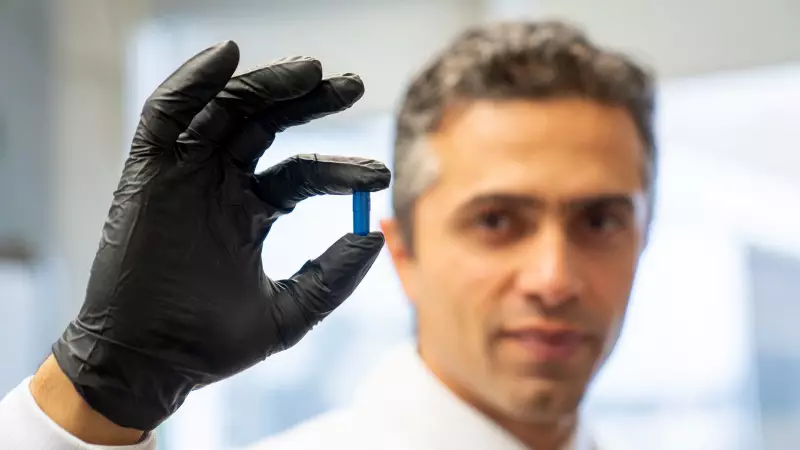
London, Ontario Researchers Report Promising Early Results for Fecal Transplant 'Poop Pills' in Cancer Patients
In a significant development for oncology research, scientists at the London Health Sciences Centre Research Institute in London, Ontario, have reported encouraging preliminary findings from a clinical trial involving so-called "poop pills." These innovative capsules contain freeze-dried fecal matter designed to deliver a fecal microbiota transplant (FMT) to patients, with the goal of enhancing their response to cancer immunotherapy treatments.
Groundbreaking Approach to Cancer Care
The research, led by Dr. Saman Maleki, represents a novel application of microbiome science in the fight against cancer. The premise is that by modifying a patient's gut bacteria through these specialized pills, clinicians may be able to improve the efficacy of immunotherapies, which are treatments that harness the body's own immune system to attack cancer cells.
This early-phase trial marks one of the first systematic investigations into oral FMT specifically for oncology patients in Canada. While fecal transplants have been used successfully for years to treat recurrent Clostridioides difficile infections, their potential application in cancer therapy is a more recent and exciting frontier in medical science.

How the 'Poop Pills' Work
The process involves carefully screening and processing donor stool to extract beneficial microbes. These are then formulated into odorless, tasteless capsules that patients can swallow. The goal is to introduce a healthy, diverse community of gut bacteria that can positively influence the immune system's ability to recognize and combat cancerous tumors.
Dr. Maleki and his team are particularly focused on patients who have not responded adequately to existing immunotherapies. The hypothesis is that an imbalanced gut microbiome may be a contributing factor to treatment resistance, and that restoring microbial balance could help overcome this hurdle.
Potential Implications and Cautious Optimism
The initial trial results, while from a small cohort, suggest the treatment is safe and well-tolerated. More importantly, early indicators point to improved clinical outcomes for some participants, including better responses to subsequent immunotherapy cycles.
Researchers emphasize that these are preliminary findings and larger, more comprehensive studies are needed to confirm the benefits and establish standardized protocols. However, the success of this London-based trial could pave the way for more accessible and less invasive microbiome-based adjunct therapies in cancer care nationwide.
If future research validates these early results, "poop pills" could become a valuable tool in the oncologist's arsenal, offering a new way to personalize and enhance treatment for patients facing challenging diagnoses. The work underscores Ontario's growing role as a hub for innovative medical research with global implications.