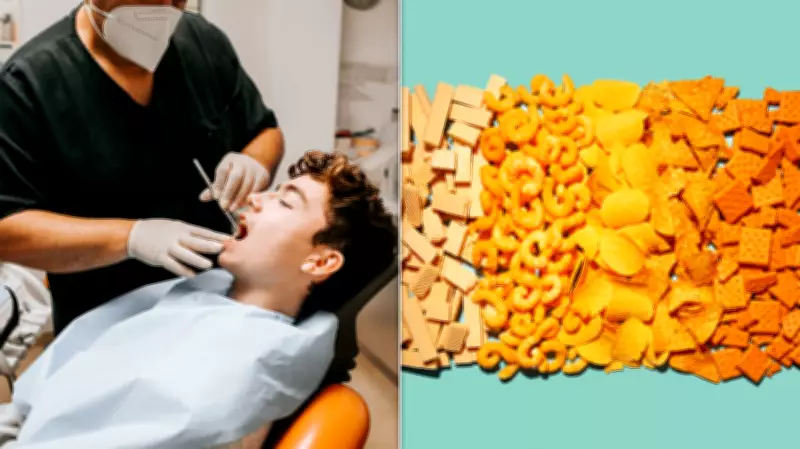
Dentists Reveal: Cheese Crackers Are a Major Cavity Culprit, Rivaling Candy
When it comes to the biggest causes of cavities, most people immediately think of candy and soda. While sugary treats can indeed erode tooth enamel without proper brushing and flossing, dentists are highlighting another snack that poses an equally significant threat. In some cases, it might even be more damaging. This offender is a favorite among both children and adults: cheese snacks such as Goldfish crackers, Annie's cheddar bunnies, and Cheez-Its. Refined carbohydrates in these snacks impact oral health more than many realize.
"As a dentist, I actually see this more often than candy-related decay — and that surprises parents," said Dr. Catrise Austin, a celebrity cosmetic dentist based in New York City. Fortunately, you don't have to eliminate these snacks entirely to protect your smile. With the right preventive measures, you can still enjoy them safely.
How Crackers Cause Cavities
According to Dr. Austin, the cavity-causing potential of snacks like Goldfish crackers and Cheez-Its isn't due to their cheese flavor but rather the refined carbohydrates, such as enriched wheat flour and starches. "When we chew crackers, those starches break down into simple sugars. The bacteria in the mouth feed on those sugars and produce acid. That acid lowers the pH in the mouth and starts dissolving enamel," she explained.

Dr. Fatima Khan, a dentist and founder of Riven Oral Care, added that these crackers tend to stick to teeth, feeding cavity-causing bacteria. Dr. Hiren Bhatt of Alton Dental echoed this, noting that refined starch in snacks fuels harmful bacteria. Scientific research supports this, showing starch-containing foods directly contribute to cavities. "Many parents, especially those with younger children, do not realize how dangerous many starchy snacks like pretzels, chips, certain granola bars, and white bread are for the teeth," Bhatt said. "These foods are dangerous for the teeth because they can stick to the teeth and cause bacteria to multiply, and those bacteria make acids that can do serious damage to the teeth."
Beyond starch, all three dentists pointed out that cracker snacks are often salty, which can reduce saliva production and dry out the mouth. "The purpose of saliva is that it remineralizes the teeth," Khan said. She explained that saliva flushes out particles, neutralizes acid, and restores pH balance. "When you have less saliva, it can lead to more cavities because everything's kind of sitting in your mouth," she added. Low saliva also increases risks of gum disease and bad breath.
Comparing crackers to candy, dentists said it depends on the type. Sticky candies like caramels are the worst, but crackers may be worse than chocolate, which melts quickly. "Also, candy is often eaten in a short window. Crackers are often nibbled on throughout the day," Austin noted, explaining that all-day snacking prevents saliva from neutralizing acids, hindering enamel repair.
How to Enjoy Cracker Snacks Without Wrecking Your Smile
If cheese crackers are a staple in your diet, don't panic—you can still enjoy them with precautions. Khan and Austin recommend limiting consumption to mealtimes rather than snacking throughout the day. Drinking water while eating crackers helps prevent dry mouth by aiding saliva flow.
Contrary to instinct, brushing immediately after eating crackers isn't advisable. "After acidic exposure, enamel is temporarily softened, and brushing too soon can actually scrub away weakened enamel before saliva has a chance to naturally remineralize and harden it again," Austin explained. Wait 30 minutes before brushing, and maintain a routine of brushing twice daily and flossing once to remove cavity-causing particles.
For healthier alternatives, consider snacks that support oral health. If you love cheese snacks, Khan suggests opting for actual cheese, like string cheese, which lacks starches that break down into sugars and contains calcium and phosphorus to strengthen enamel. For a crunchy substitute, both dentists recommend raw veggies like carrot sticks or celery, or nuts that don't dry out the mouth.

The bottom line is that all refined carbs can contribute to cavities, but with proper oral hygiene, limited snacking, and hydration, you can enjoy your favorite snacks without dental repercussions.