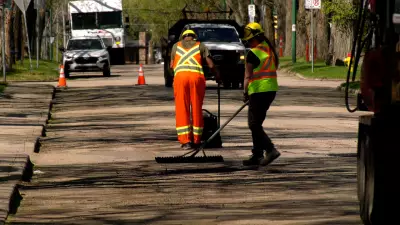
At 88 years old, most people expect to be enjoying a quiet retirement, but for one Canadian man, the need to support his wife's care has brought him back to the workforce. This story reflects a growing trend among seniors who find that retirement savings are insufficient to cover the rising costs of healthcare and long-term care.
The Financial Reality of Aging
Many older adults are facing difficult choices as medical expenses outpace their savings. The man, whose identity has not been disclosed, took a job to help pay for his wife's ongoing medical treatments and personal care. This situation is not unique; across Canada, seniors are increasingly returning to work or delaying retirement to manage healthcare costs.
Caregiving Costs on the Rise
According to recent data, the cost of home care, nursing homes, and specialized medical treatments has increased significantly. For families without substantial savings or insurance, these expenses can be overwhelming. The couple's story underscores the need for better financial planning and support systems for aging Canadians.

- Home care services can cost thousands of dollars per month.
- Many seniors rely on government programs, but coverage is often limited.
- Family caregivers frequently face emotional and financial strain.
Broader Implications
This case highlights a systemic issue: the gap between retirement income and the actual cost of elder care. Experts call for policy changes to address the growing financial burden on seniors. Options include expanding public healthcare coverage for long-term care, increasing pension benefits, and promoting workplace flexibility for older employees.
As the population ages, more stories like this may emerge, emphasizing the urgency of finding sustainable solutions. For now, this 88-year-old man's dedication to his wife serves as a poignant reminder of the challenges many face in their later years.