Daughter Advocates for Seniors After Father's 17-Month Hospital Stay in New Brunswick
A New Brunswick woman is speaking out publicly about her father's prolonged hospitalization, which lasted for seventeen months at Oromocto Hospital, to draw attention to what she describes as systemic failures in the care of elderly patients. Her advocacy comes amid growing concerns over the treatment of seniors in healthcare facilities across the province.
A Prolonged Ordeal in Oromocto Hospital
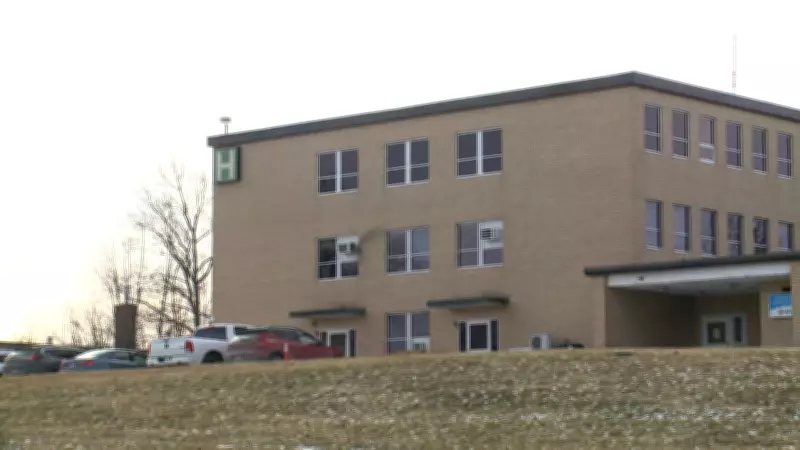
The daughter, whose identity has been shared in media reports, detailed her father's extensive stay at Oromocto Hospital, which began due to a medical emergency and extended far beyond initial expectations. She recounted instances of inadequate staffing, delayed treatments, and a lack of personalized care that she believes exacerbated her father's condition and prolonged his recovery.
"It was heartbreaking to see him in that state for so long," she said, emphasizing the emotional and physical toll on both her father and the family. "Seniors deserve better than being left in limbo without proper support."

Systemic Issues in Senior Healthcare
Her story sheds light on broader challenges within New Brunswick's healthcare system, particularly for aging populations. Key issues highlighted include:
- Overcrowding and Understaffing: Hospitals often operate at full capacity, leading to rushed care and missed follow-ups for vulnerable patients.
- Communication Gaps: Families frequently report difficulties in obtaining timely updates or clear explanations about treatment plans.
- Resource Shortages: A lack of specialized services for seniors, such as geriatric care units, can result in extended hospital stays when alternative care options are unavailable.
These factors contribute to what advocates call a "crisis in senior care," with many elderly patients experiencing prolonged hospitalizations that could be avoided with better community-based support or transitional care.
Calls for Reform and Improved Patient Advocacy
In response to her father's experience, the daughter is urging policymakers and healthcare administrators to implement reforms aimed at enhancing the quality of care for seniors. Her recommendations include:
- Increased Funding for Geriatric Services: Allocating more resources to develop specialized programs that address the unique needs of elderly patients.
- Enhanced Family Involvement: Establishing clearer protocols for family communication and involvement in care decisions to ensure patients' wishes are respected.
- Better Transition Planning: Improving coordination between hospitals and community care providers to facilitate smoother discharges and reduce unnecessary hospital stays.
"We need a system that treats seniors with dignity and efficiency," she asserted, noting that her advocacy is driven by a desire to prevent similar situations for other families. "No one should have to go through what my father did."
Broader Implications for Healthcare in New Brunswick
This case adds to a growing chorus of concerns about healthcare delivery in New Brunswick, where an aging population is putting increasing pressure on medical facilities. Recent reports have highlighted similar issues, including long wait times and access challenges, particularly in rural areas like Oromocto.
Experts warn that without significant investments and policy changes, the situation could worsen, affecting not only seniors but the overall sustainability of the healthcare system. "Stories like this underscore the urgent need for systemic reform," said a healthcare analyst, pointing to the importance of patient-centered approaches in improving outcomes.
As the daughter continues to share her story, she hopes it will spark meaningful dialogue and action to ensure that all seniors receive the compassionate and effective care they deserve in New Brunswick's hospitals.