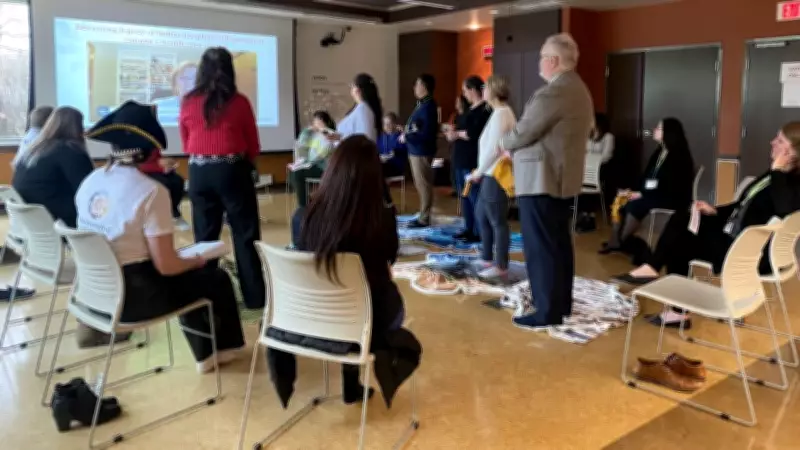
A significant step forward in addressing healthcare disparities for Indigenous Peoples in Northern Ontario has been taken with the signing of a formal collaboration agreement. The Maamwesying Ontario Health Team and Algoma Public Health have joined forces in a partnership designed to enhance medical services and improve health outcomes for Indigenous communities across the North Shore and Sault Ste. Marie area.
Strengthening Healthcare Through Partnership
The newly established agreement represents a coordinated effort between two key healthcare organizations to bridge gaps in service delivery and create a more integrated, culturally responsive health system. By combining resources and expertise, the partners aim to develop tailored programs that address the specific needs of Indigenous populations, who have historically faced significant barriers to accessing quality care.
Focus on Community-Centered Solutions
This collaboration emphasizes community engagement and Indigenous-led approaches to healthcare. The initiative seeks to incorporate traditional healing practices alongside conventional medical treatments, recognizing the importance of cultural safety in achieving better health results. Both organizations have committed to ongoing consultation with local Indigenous leaders and community members to ensure services are appropriately designed and effectively implemented.

The timing of this agreement coincides with growing recognition of healthcare inequities affecting Indigenous communities across Canada. Recent studies have highlighted disparities in health outcomes, including higher rates of chronic diseases and reduced access to preventive care among Indigenous populations compared to non-Indigenous Canadians.
Expected Impacts and Future Directions
Initial priorities for the collaboration include improving access to primary care services, enhancing mental health and addiction support, and strengthening public health initiatives in remote and underserved areas. The partners plan to establish shared protocols for patient referrals, coordinate health promotion campaigns, and develop training programs for healthcare providers on culturally competent care.
This partnership aligns with broader provincial and federal efforts to advance reconciliation through improved healthcare delivery. Similar collaborative models have shown promise in other regions, suggesting this agreement could serve as a template for additional healthcare partnerships across Ontario and beyond.
The signing of this agreement marks a commitment to long-term, sustainable improvements in Indigenous health. Both organizations have expressed optimism that their combined efforts will lead to measurable enhancements in community wellbeing, reduced healthcare disparities, and stronger relationships between healthcare providers and the Indigenous communities they serve.