Ottawa Hospital Announces Major Workforce Reduction Amid Financial Pressures
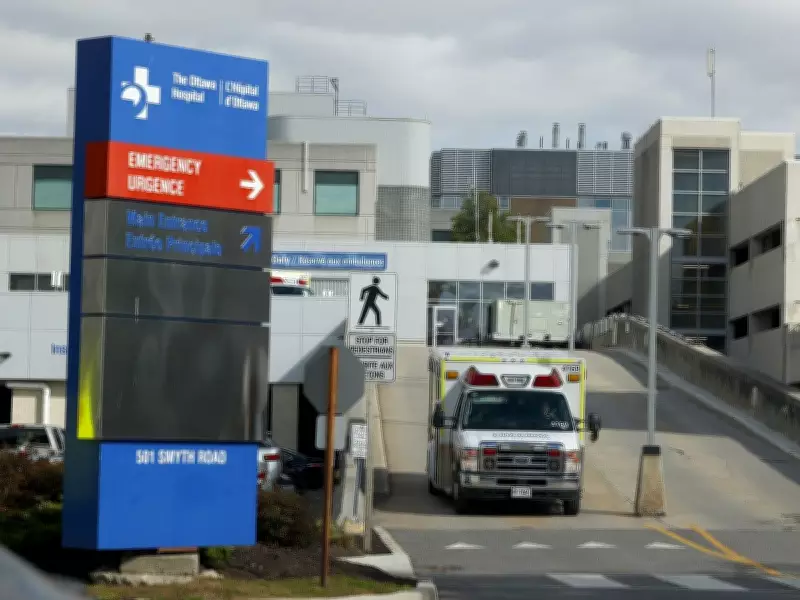
The Ottawa Hospital has confirmed plans to eliminate approximately 400 positions, representing three percent of its total workforce. This significant reduction comes as the institution grapples with substantial financial challenges that threaten to undermine patient care across the region.
Public Outcry and Calls for Action
In response to these cuts, concerned citizens have flooded the Ottawa Citizen with letters expressing alarm and demanding immediate protest. One letter writer, Michael Wiggin of Ottawa, poses a poignant question: "Are we going mad? Should citizens not arise in mass protest?" This sentiment reflects growing frustration with what many perceive as systemic neglect of healthcare infrastructure.
Wiggin, who describes himself as a frequent hospital visitor due to various medical conditions including cataract surgery, a severed thumb, arterial blockage requiring stents, pneumonia, and prostate cancer treatment, praises the existing efficiency of hospital staff. "I have found the efficiency incredible," he writes, noting effective triage systems and rapid assessment zones that help manage patient backlogs.

Broader Healthcare Crisis Exposed
The job cuts occur against a backdrop of well-documented healthcare challenges. Patients regularly face extended emergency room wait times, with some experiencing cardiac arrest or death while awaiting treatment. Critical diagnostic services like MRI scans often require year-long waiting periods, creating potentially dangerous delays for those with serious conditions.
Wiggin argues that current hospital staff are operating at maximum capacity, stating that "it would be nearly humanly impossible to do better with the resources the hospital has without burnout and more losses of dedicated staff." He directs criticism toward provincial decision-makers, urging them to prioritize healthcare funding: "These are our hospitals to serve our people. People first. Mr. Ford, cut other things first, or say you have done your best and raise taxes."
Bilingualism Debate in Government Positions
Another letter from Christian Sylvain of Gatineau addresses unrelated but equally contentious issues regarding bilingual requirements for government positions in Ottawa. Sylvain challenges claims that top positions are exclusively filled by bilingual candidates, noting that many deputy ministers and agency heads have not met official language requirements for their roles.
"I know of no francophone working in Ottawa who must not know and use English daily in their work," Sylvain writes, highlighting what he perceives as systemic inequity. "This means that 100% of qualified francophones cannot apply for any of these jobs unless they know English." He argues that bilingualism should be recognized as a core qualification for certain positions rather than dismissed as favoritism.
Community Infrastructure Concerns
A third letter from Richard van der Jagt, a 35-year resident of Manor Park, criticizes Ottawa City Council for approving sidewalk installations despite community opposition expressed through three separate surveys. Van der Jagt argues that the wide streets in his neighborhood have proven safe for pedestrians, with no recorded vehicle-pedestrian accidents during his residency.
He further contends that sidewalks are environmentally unfriendly and structurally problematic in Ottawa's climate, where freezing and thawing cycles cause cracking that creates hazards for both able-bodied and disabled individuals. "The council has made a very ill-thought-out decision," he concludes, linking the issue to his work on environmental health initiatives.
Looking Forward: Public Engagement and Healthcare Priorities
These letters collectively underscore deep-seated concerns about institutional decision-making affecting Ottawa residents' quality of life. The hospital job cuts in particular raise urgent questions about healthcare sustainability, with Wiggin warning that failure to act could mean "lost critical talent for good."

The Ottawa Citizen continues to provide a platform for community voices, inviting readers to submit letters to letters@ottawacitizen.com and offering guidelines for effective editorial contributions. As healthcare funding debates intensify, public engagement remains crucial in shaping policies that prioritize citizen well-being over budgetary constraints.