Tillsonburg Hospital Eliminates Several Personal Support Worker Positions
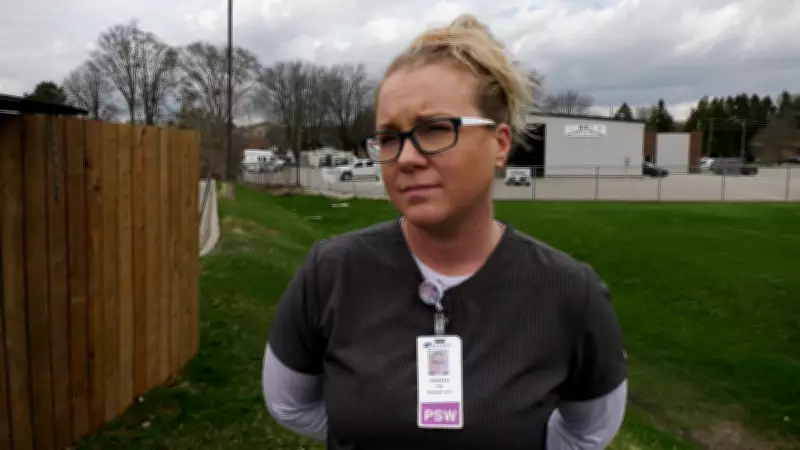
In a move that has sparked emotional reactions, the Tillsonburg hospital in Ontario has eliminated several Personal Support Worker (PSW) positions, leaving staff members and the community grappling with the implications. Jennifer McMaster, a PSW at the facility, spoke openly about the distress caused by these cuts, noting that "there's a lot of tears" among affected workers. The announcement, made on April 14, 2026, underscores ongoing challenges in healthcare staffing across the province.
Emotional Impact on Healthcare Workers
Jennifer McMaster, who has been a dedicated PSW at the Tillsonburg hospital, shared her firsthand account with CTV News London, highlighting the personal and professional toll of the job eliminations. She described scenes of colleagues breaking down in tears, as the uncertainty and loss of positions weigh heavily on those who provide essential care to patients. This emotional response reflects broader concerns about job security and support for frontline healthcare workers, who often face high-stress environments and increasing demands.
The cuts come at a time when healthcare systems nationwide are under pressure to manage resources efficiently, but critics argue that reducing PSW roles could compromise patient care. PSWs play a critical role in assisting with daily activities, such as bathing, dressing, and feeding, particularly for elderly or disabled patients. Their absence may lead to increased workloads for remaining staff, potentially affecting service quality and patient outcomes.

Context of Healthcare Staffing Challenges in Ontario
Ontario has been experiencing significant healthcare staffing shortages, with hospitals and long-term care facilities struggling to retain and recruit workers. Factors contributing to this issue include burnout, competitive wages in other sectors, and the lingering effects of the COVID-19 pandemic. The elimination of PSW positions at Tillsonburg hospital is part of a larger trend where institutions are forced to make difficult decisions to balance budgets and operational needs.
In recent years, there have been calls for increased investment in healthcare staffing, including better pay, benefits, and working conditions for PSWs. Advocates emphasize that supporting these workers is essential for maintaining a robust healthcare system. The emotional fallout from the Tillsonburg cuts serves as a reminder of the human element behind such administrative decisions, with workers like McMaster voicing fears about their futures and the well-being of patients they serve.
Community and Broader Implications
The Tillsonburg community, which relies on the local hospital for medical services, may feel the ripple effects of these job cuts. Reduced staffing levels could lead to longer wait times, decreased availability of non-emergency care, and increased strain on remaining healthcare professionals. This situation mirrors challenges seen in other regions, where healthcare cutbacks have sparked public concern and calls for policy changes.
As healthcare systems evolve, the role of PSWs remains vital, yet often undervalued. The emotional distress reported by McMaster and her colleagues highlights the need for a more sustainable approach to healthcare management, one that prioritizes both fiscal responsibility and the welfare of workers and patients alike. Moving forward, stakeholders, including government bodies and hospital administrators, may need to reassess strategies to ensure that staffing levels align with community needs without compromising care quality.