A 'Perfect Storm' in the Emergency Room: Toronto Hospital Sounds Alarm on Critical Overload
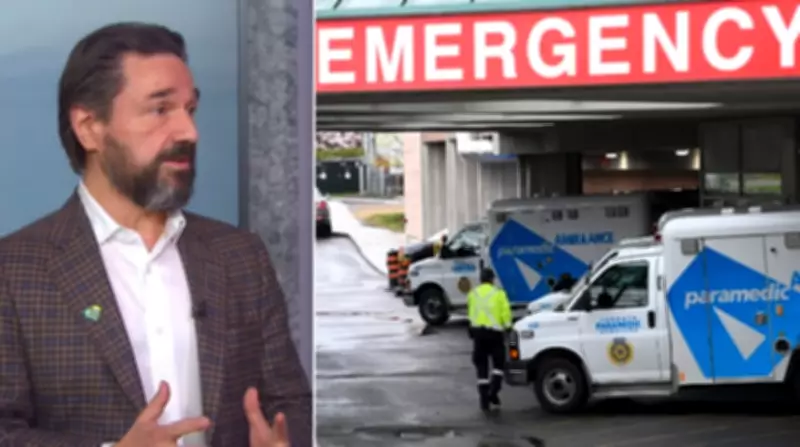
Dr. Carmine Simone has issued a stark warning about an escalating crisis in a Toronto hospital's emergency department, describing the situation as a "perfect storm" of overwhelming patient demand and strained resources. The facility, originally designed to accommodate approximately 150 patients per day, is now consistently seeing daily volumes exceeding 300 individuals, representing a dramatic doubling of its intended capacity.
Unprecedented Patient Influx Strains Hospital Infrastructure
This surge in emergency room visits has created significant operational challenges, with patients presenting a wide variety of urgent medical needs that the current system struggles to manage efficiently. The hospital's infrastructure, staffing levels, and resource allocation were never intended to handle this magnitude of daily patient traffic, leading to concerns about both patient care quality and healthcare worker burnout.
The emergency department's capacity crisis mirrors broader healthcare challenges across the region, with similar reports emerging from other facilities facing parallel strains on their emergency services. This Toronto hospital's experience serves as a microcosm of systemic issues affecting urban healthcare delivery, where population growth, demographic changes, and evolving medical needs have outpaced institutional planning and resource allocation.

Broader Implications for Healthcare System Sustainability
Medical professionals within the hospital express growing concern about the sustainability of current operations under such extreme pressure. The doubling of patient volumes not only affects wait times and treatment delays but also raises questions about infection control, patient safety protocols, and the overall quality of emergency medical care being delivered in overcrowded conditions.
"When a system built for 150 patients must regularly accommodate over 300, every aspect of care delivery becomes compromised," explained one healthcare administrator familiar with the situation. "From triage efficiency to diagnostic testing turnaround times to bed availability for admitted patients, the entire continuum of emergency care faces unprecedented strain."
The hospital's leadership has begun implementing temporary measures to address the crisis, including revised staffing patterns, enhanced triage protocols, and increased coordination with community health services. However, these represent stopgap solutions to what many characterize as a fundamental mismatch between healthcare infrastructure and contemporary patient needs in urban centers.
Looking Toward Long-Term Solutions
Healthcare analysts suggest this Toronto hospital's experience reflects nationwide trends of emergency department overcrowding, particularly in major metropolitan areas where population density combines with limited healthcare infrastructure expansion. The "perfect storm" metaphor extends beyond simple patient numbers to encompass complex factors including an aging population, mental health crises, substance abuse issues, and inadequate primary care access that drives more patients toward emergency services.
As the hospital continues to sound the alarm about its emergency room crisis, healthcare policymakers face increasing pressure to develop comprehensive solutions that address both immediate capacity issues and long-term systemic reforms. The situation underscores the urgent need for healthcare planning that anticipates rather than reacts to demographic and medical trends, ensuring emergency departments can fulfill their critical role in community health without compromising patient care or staff wellbeing.