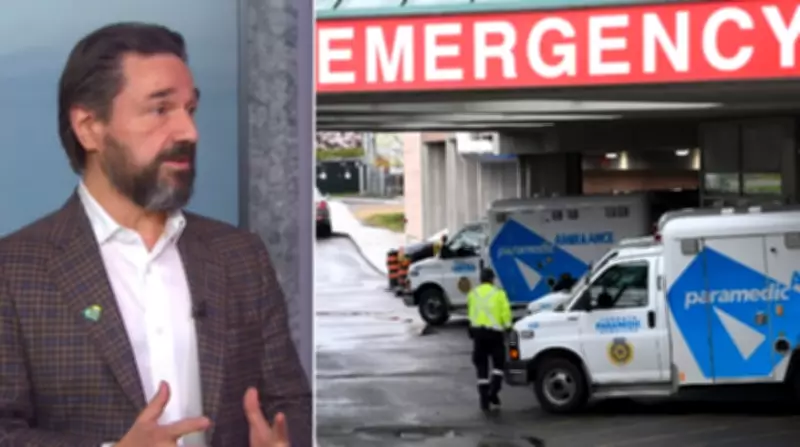
Toronto Hospital Emergency Department Overwhelmed as Daily Patient Numbers Double
An east-end Toronto hospital is sounding the alarm over a dramatic surge in emergency room demand, with daily patient visits now exceeding 300, effectively doubling the facility's originally intended capacity. This sharp increase is placing immense strain on medical staff and resources, highlighting broader pressures within the city's healthcare system.
Capacity Stretched Beyond Limits
According to Dr. Carmine Simone, the hospital was initially designed and built to accommodate approximately 150 patients per day. However, current realities have seen that number skyrocket to over 300 daily arrivals, encompassing a wide variety of urgent medical needs. This represents a staggering 100 percent increase from the planned operational baseline, creating significant challenges in maintaining timely and effective care.
The consistent overflow of patients means that waiting times are inevitably lengthening, and medical professionals are operating under heightened pressure. Dr. Simone emphasized that the infrastructure and staffing models are being tested by this unrelenting influx, which shows no immediate signs of abating.

A Symptom of Systemic Healthcare Pressures
This situation in Toronto's east end is not an isolated incident but rather a pointed example of the mounting strains facing emergency medical services across urban centers. Hospitals are increasingly becoming the first point of contact for a spectrum of health issues, from acute injuries to complex chronic conditions, often exacerbated by gaps in primary and community care.
The doubling of patient volume underscores a critical need for systemic evaluation and resource allocation. It raises urgent questions about healthcare planning, funding, and the sustainability of emergency departments as they contend with population growth, aging demographics, and evolving public health needs.
Looking Ahead: Implications and Responses
As the hospital grapples with this surge, the focus turns to potential solutions and mitigations. These may include:
- Expanding physical space within the emergency department to reduce overcrowding.
- Increasing staffing levels, including nurses, physicians, and support personnel.
- Enhancing triage protocols to prioritize the most critical cases efficiently.
- Strengthening partnerships with community health services to divert non-emergent cases.
- Advocating for broader provincial healthcare investments to address capacity issues system-wide.
The experience of this Toronto hospital serves as a stark reminder of the vital role emergency rooms play and the precarious balance they must maintain between available resources and public demand. Ensuring these facilities can meet their life-saving mission requires concerted effort and strategic planning from all levels of the healthcare ecosystem.