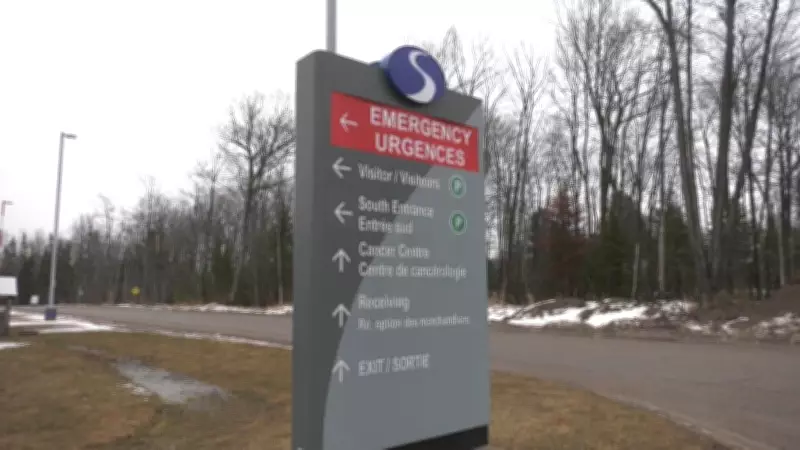
Ontario Hospital's Virtual Waiting Room Initiative Shows Early Success in Tackling ER Overcrowding
Sault Area Hospital in Ontario has implemented a groundbreaking virtual emergency room waiting room project that is already demonstrating significant potential to alleviate chronic overcrowding and reduce patient wait times. The innovative program, which was officially launched in August 2025, allows patients with non-urgent medical concerns to wait remotely rather than occupying physical space in the hospital's emergency department.
Addressing a Persistent Healthcare Challenge
Emergency room overcrowding has long been a critical issue plaguing healthcare systems across Ontario and throughout Canada. Hospitals frequently struggle with capacity constraints, leading to extended wait times, compromised patient care, and increased stress on medical staff. The virtual waiting room initiative represents a proactive technological solution designed to optimize resource allocation and improve the overall patient experience.
Initial results from the program have been described as "encouraging" by hospital administrators, particularly for individuals whose medical conditions do not require immediate, in-person attention. By diverting these patients to a virtual queue, the hospital can prioritize critical cases while maintaining continuous monitoring of those waiting remotely.

How the Virtual Waiting Room Operates
The system functions through a secure digital platform where patients can:
- Register their symptoms and medical history electronically
- Receive an estimated wait time based on triage assessment
- Wait comfortably at home or another preferred location
- Receive notifications when it's time to come to the hospital
- Maintain communication with healthcare providers throughout the process
This approach not only reduces physical congestion in emergency departments but also minimizes exposure to infectious diseases for vulnerable patients. The virtual waiting room represents a significant shift in how healthcare institutions manage patient flow and resource distribution.
Broader Implications for Healthcare Delivery
The success of Sault Area Hospital's pilot project could have far-reaching implications for healthcare delivery across Ontario and potentially nationwide. As hospitals continue to face capacity challenges exacerbated by seasonal illnesses, aging populations, and limited resources, technological innovations like virtual waiting rooms offer promising alternatives to traditional emergency room management.
Healthcare experts note that such digital solutions complement existing telemedicine services while addressing specific bottlenecks in emergency care. The program aligns with broader trends toward digital healthcare transformation that accelerated during the pandemic and continues to evolve as institutions seek more efficient, patient-centered care models.
While the virtual waiting room primarily serves patients with less urgent conditions, hospital officials emphasize that the system includes safeguards to identify any deterioration in a patient's condition during the remote waiting period. Medical professionals can escalate cases as needed, ensuring patient safety remains the paramount concern throughout the process.
As Sault Area Hospital continues to collect data and refine its virtual waiting room protocols, other healthcare institutions across Ontario are closely monitoring the outcomes. The early positive indicators suggest that this innovative approach could become a valuable tool in the ongoing effort to improve emergency department efficiency and enhance patient care throughout the province's healthcare system.