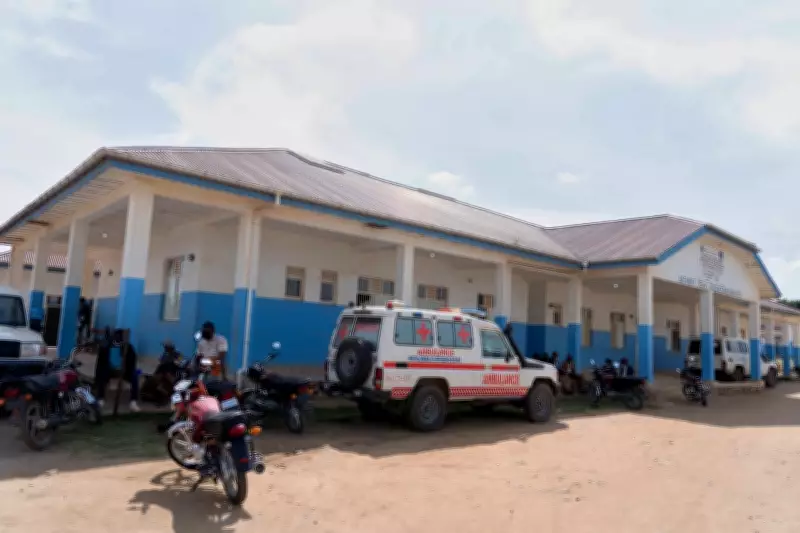
The Democratic Republic of Congo is set to open three new Ebola treatment centres in the northeastern province of Ituri, where a rare strain of the virus has been spreading in recent weeks, health officials confirmed on Monday.
Rare Strain Prompts Emergency Response
The outbreak, caused by the Sudan strain of Ebola, has already infected dozens of people in the region. Unlike the more common Zaire strain, there is no licensed vaccine for the Sudan strain, making containment efforts more challenging. The new treatment centres will be established in the cities of Bunia, Komanda, and Mambasa to provide immediate care for infected patients and reduce transmission.
Health authorities are working with international partners, including the World Health Organization and Doctors Without Borders, to deploy medical teams and supplies. Community outreach programs are also being ramped up to educate local populations on prevention measures and symptoms.

Historical Context
This is not the first time Congo has faced an Ebola outbreak. The country has experienced multiple epidemics over the past decade, including a major outbreak in North Kivu and Ituri provinces from 2018 to 2020 that killed more than 2,200 people. The current outbreak, however, is particularly concerning due to the rarity of the Sudan strain and the remote, conflict-affected areas where it is spreading.
Dr. Jean-Jacques Muyembe, a leading Congolese virologist, emphasized the need for swift action. "Every hour counts in containing this virus. The treatment centres will be critical in isolating patients and providing supportive care," he said.
Challenges Ahead
Ituri province has been plagued by armed conflict and displacement, which complicates public health responses. Many roads are impassable, and health facilities are understaffed. Officials are also concerned about cross-border transmission to neighboring Uganda and South Sudan.
Vaccination efforts for the Zaire strain have been successful in past outbreaks, but no such option exists for the Sudan strain. Experimental treatments and vaccines are being fast-tracked, but they are not yet widely available.
Meanwhile, the World Health Organization has urged countries in the region to enhance surveillance and preparedness. The United Nations has pledged logistical support to ensure that medical supplies reach affected areas.
Community Role
Local leaders are being enlisted to promote safe burial practices and encourage people to seek care early. Mistrust of health workers has been a problem in previous outbreaks, so community engagement is seen as essential.
"We are working with traditional healers and religious leaders to build trust," said Dr. Anne-Marie Kabasele, a public health official in Ituri. "Everyone must understand that the treatment centres are there to help."
The first treatment centre is expected to become operational within days, with the others following shortly after. Health officials hope that the rapid response will prevent the outbreak from spiraling out of control.